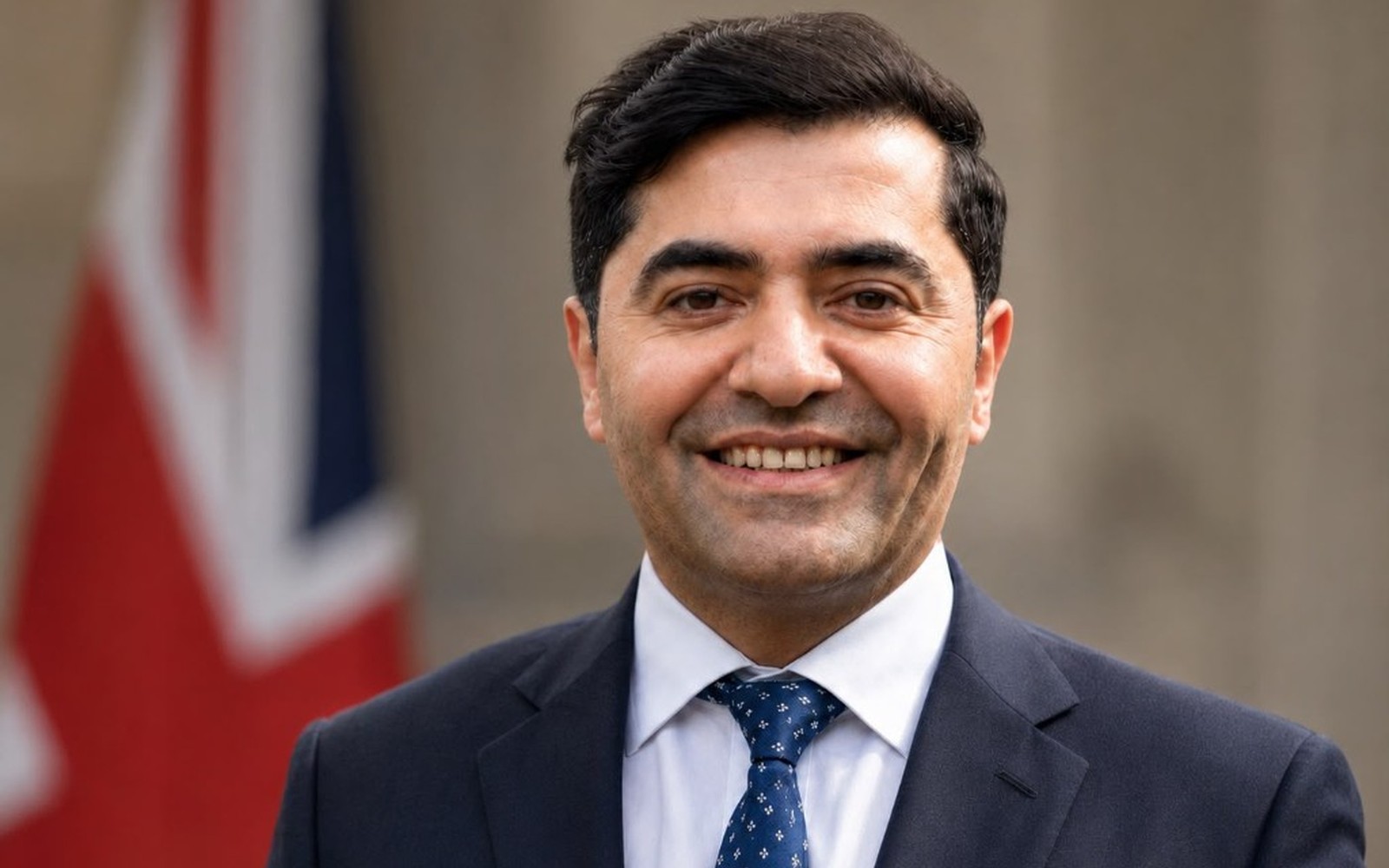
Prime Minister Andy Burnham has announced that hundreds more serious offenders will be excluded from upcoming changes to prison release arrangements, extending protections to cases including manslaughter, death by dangerous driving and historic child sexual offences.

The Government confirmed on Sunday that offenders convicted of a wider range of serious crimes will no longer be eligible for reductions to the proportion of their sentence they serve in prison under the new progression model.
The latest intervention means all forms of manslaughter, death by dangerous driving, causing death by careless driving while under the influence of drink or drugs, causing or allowing the death of a child, and a number of historic child sexual offences will be excluded from the changes.
Those convicted of killing an emergency worker in the line of duty will also not benefit from an earlier release point, following Burnham’s earlier instruction to prevent the early release of some of the country’s most serious offenders.
The move follows changes announced earlier this month by Burnham and Lord Chancellor Alex Norris, which excluded people serving sentences for rape, serious child sexual offences and grooming offences. Murderers, people serving life sentences and offenders given extended determinate sentences were already outside the new arrangements.
Burnham said he understood the strength of public concern over the sentencing changes and had wanted the Government to go further.
“I know how strongly people feel about this issue. I understand the concern and anger because I share it.”
He said the latest changes would ensure offenders serving sentences for manslaughter and death by dangerous driving, among other serious crimes, would not have their sentences shortened.
The Ministry of Justice said the measures would mean hundreds more victims and their families would no longer face the prospect of offenders being released sooner than they had expected.
Labour MP Jake Richards welcomed the announcement, saying the Government had inherited a prison system “on the brink of collapse” with fewer than 100 spaces remaining during the summer of 2024.
Writing on X, Richards said:
“We are restoring order and making sure we can always lock up dangerous criminals by deporting thousands more foreign offenders.”
The Government says the wider sentencing reforms are necessary to prevent prisons running out of capacity, while creating tougher supervision for offenders once they leave custody. Ministers have warned that without reform, pressure on prison places could ultimately prevent police from making arrests and courts from sending offenders to jail.
Alongside the changes, the Government is expanding electronic monitoring and introducing new restriction zones for some serious sexual and violent offenders after release. The zones will allow probation services to tightly restrict where offenders can travel, backed by GPS tagging and the possibility of recall to prison for breaches.
The latest announcement forms part of Burnham and Norris’s efforts to balance prison capacity pressures with a commitment to keep the most serious offenders behind bars for longer and strengthen protections for victims.