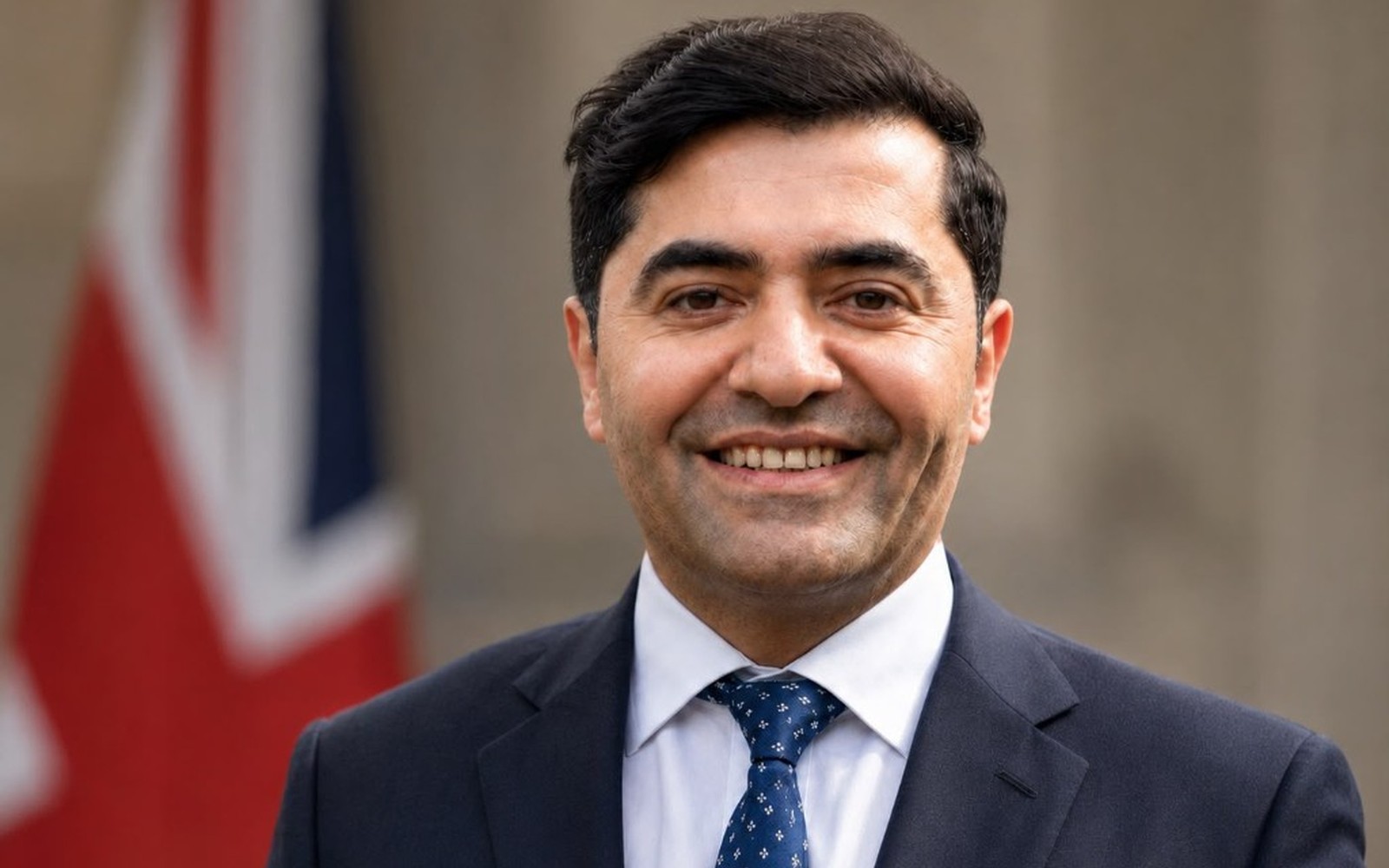
By Dom Higgins, head of health and education at The Wildlife Trusts

Our inner cities are overheating, and this summer we couldn’t escape the impact. This is a crisis on a par with the infamous smog of the Victorian era, which prompted the creation of hundreds of parks and gardens to be the lungs of our cities.
Just as nature helped make our cities healthier then, it can help make them more resilient now. As the impacts of climate change on our daily lives continue to grow, more natural spaces in urban areas will provide respite through glades of broadleaved trees, cooling riverside walks, shared gardens and community parks.
These aren’t a luxury, they’re a necessity. As well as providing a natural antidote to extreme heat, access to nature is essential for the mental and physical health of humans. And, when we enhance and create woods, parks and ponds, we are helping nature recover too.
The UK Government was elected in July 2024 on a manifesto which promised to increase access to nature and in turn improve mental and physical health and leave a thriving legacy for generations to come. The Government later promised everyone access to a blue or green space within 15 minutes of where they live.
However, research from The Wildlife Trusts and Liberal Democrats for Nature and Climate recently found that within 238 English parliamentary constituencies (44% of the total) 20% or more of local properties are situated more than 15 minutes’ walk from a park, wood or waterway.
In revealing that seven of the ten poorest constituencies feature on the low access to nature list – including Bradford West and Birmingham Perry Barr – the research also shows stark inequalities across England, with direct parallels between economic and nature deprivation.
A Green Paper setting out how the Government intends to tackle this issue – and deliver on its promise to improve access to nature – still hasn’t been published. Coupled with accelerating impacts of climate change and nature loss across communities, there is no time to waste, and so The Wildlife Trusts have taken matters into our own hands.
After an extensive consultation, we have published a set of proposals and innovative solutions based on real experiences and need, which we hope can help both inform and encourage DEFRA to act. Many of the ideas suggested in our paper – Unlocking nature for all: How to increase access to nature for a fairer, healthier country – are for local government delivery, in line with the Government’s commitment to English devolution, and utilise existing legislation so that real change can be felt quickly in local communities.
Rewiring access responsibilities and transferring power to people and the places where they live, work and invest will be critical to meeting the Government’s ambitions. Local leaders know what it will take to drive access to nature and connect this to improvements in health and other public service outcomes. As our paper argues, the Government should empower councils and public bodies to increase green space provision in built up areas, improve access to the countryside, and to embed access to nature in public service provision if everyone is to have the opportunity to benefit from nature.
It should also make it more affordable for local authorities to use compulsory purchase powers to acquire land, and easier for community groups to buy the spaces that matter most for nature and people. In doing so, nature should be treated as essential infrastructure – unlocking capital funds for the ongoing maintenance of natural spaces and securing access to major rivers, especially those running through urban areas, in law, as the Marine and Coastal Access Act 2009 has secured access to the coast.
The Prime Minister has promised growth in every postcode, and he can make sure this is true in every sense of the word by building nature into the heart of community resilience and regeneration. The urgency of this issue cannot be overstated, and in the wake of climate change, communities need real change, fast.
We’ve all heard the argument that there’s “no space left” in our cities for nature. Yet, as Wildlife Trusts across the country are already proving, there is space if we think differently. In Nottingham, a dated shopping precinct in the city centre has been demolished and replaced with a Green Heart; a series of interconnected natural spaces offering water, colour, and shade. The project is rightly the source of enormous civic pride, and the city now has a ten-point plan for the creation of a series of mini–Green Hearts and the demolition of a nearby multi-storey car park.
At Low Hall nature reserve – in one of the most economically under-served areas of Wigan – 100 trees have been planted to expand a woodland, and wildflower verges have been created. In Sunderland’s Coalfields, local parks, waterways and woodlands are being revitalised, and in West Bradford a pocket-sized wildlife garden has been created from a scrap of unloved land tucked behind a cricket club.
Back in January, MHCLG published guidance for making new housing developments nature and climate-friendly, including building climate-adapted homes and incorporating open spaces, trees and water into their designs. Despite proof that such measures can provide a real boost for local developments and the communities who live there, these standards remain optional for developers. Instead, local authorities should be given the option to make these standards mandatory in their areas.
With such a mountain of evidence to prove that nature is good for us, and that natural spaces in cities can literally save lives by keeping the air cooler and cleaner and reducing the strain on our hearts and lungs, there has never been a more important time to recognise that nature is necessary.
Mental health, physical health and community – they’re all intertwined. Nature is our soul food and our respite in a changing world. Access to nature is everyone’s right and we urge ministers to explore swift delivery of each of our policy recommendations so that people and wildlife can thrive alongside one another once more.
Dom Higgins is head of health and education at The Wildlife Trusts. The Wildlife Trusts’ green paper, Unlocking nature for all: How to increase access to nature for a fairer, healthier country, is available to read online.