Dame Siobhain McDonagh has warned that introducing proportional representation for Westminster elections could give political party establishments greater control over who enters Parliament and how MPs behave once elected.
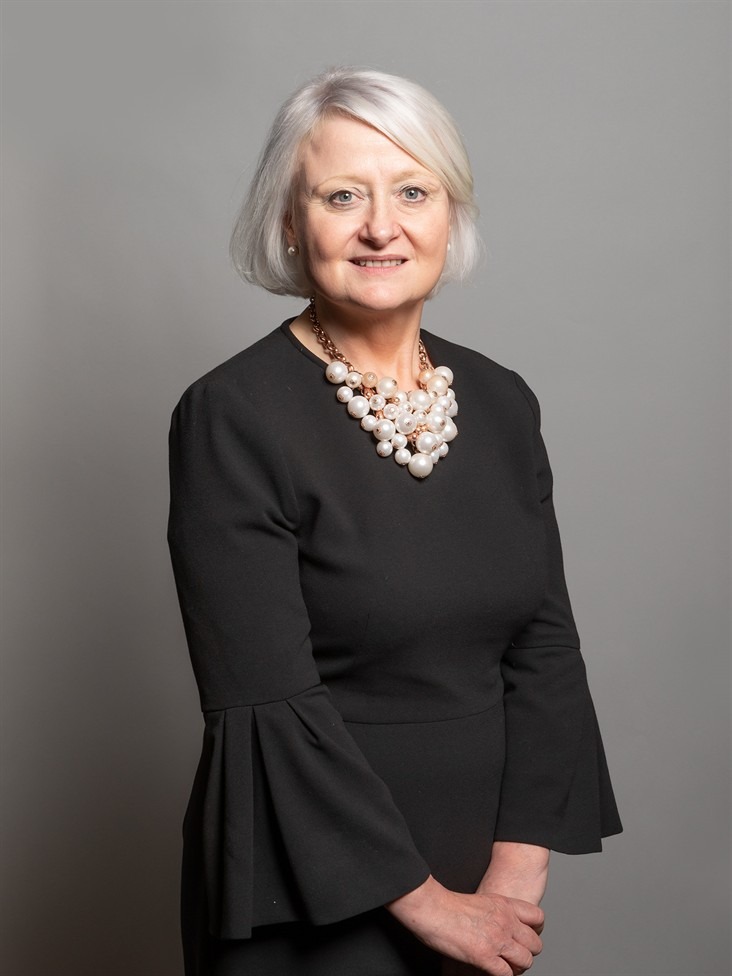
The Labour MP for Mitcham and Morden made the intervention as debate grows within the party over whether the government should establish a national commission to examine alternatives to first past the post.
Responding to an article by Times columnist Sonia Sodha, McDonagh said:
“100%. PR allows the political establishment tighter control on who is elected and what they do when they get to Parliament.”
Sodha argued that electoral reform risked distracting the Labour government from the more immediate task of improving people’s lives and rebuilding confidence in politics through effective government. She also challenged the claim that there is a single objectively fairest electoral system.
How PR would change power
Supporters of proportional representation frequently argue that the number of seats a party wins should correspond more closely to its national share of the vote. Critics respond that proportionality in results does not necessarily produce proportional influence once coalition negotiations begin.
A smaller party can acquire significant bargaining power if a larger party needs its votes to form or sustain a government. Opponents of PR also warn that some versions of the system transfer influence from local voters to party organisations responsible for drawing up candidate lists.
McDonagh’s intervention reflects concern among some Labour MPs that replacing first past the post could weaken the direct relationship between an individual constituency and its elected representative. Under the existing system, every voter is represented by a named constituency MP who can be held personally accountable at the following general election.
McDonagh has represented Mitcham and Morden since 1997 and is known for a strong constituency focus, including regular advice surgeries and doorstep campaigning.
Pressure for a commission
Her warning comes as almost 100 Labour MPs support calls for a commission to consider reform of the voting system. The proposed commission has also attracted support from parliamentarians in several opposition parties, as reported in the wider push for Burnham to act in his first 100 days.
Advocates believe a more proportional system would reduce the number of safe seats, make more votes count towards the final result and better reflect Britain’s increasingly fragmented politics. They also argue that reform could encourage cooperation between parties and make it harder for a government to secure a large parliamentary majority on a relatively modest share of the national vote.
Prime Minister Andy Burnham has previously expressed support for electoral reform. The government has not committed to replacing first past the post during the present Parliament, and such a change was not included in Labour’s 2024 general election manifesto.
The debate is likely to continue ahead of Labour Party Conference, where campaigners are expected to press for a commission and a commitment to consider proportional representation in a future manifesto. McDonagh’s comments underline that Labour opinion is far from unanimous.
Models, accountability and delivery
Questions remain about which model of proportional representation might be adopted, whether MPs would continue representing individual constituencies and how candidates would be selected. Different systems produce very different outcomes. Some retain a strong constituency link, while others rely more heavily on regional or national party lists. Any serious review would need to look beyond the broad label of PR and examine the practical consequences of each option.
The Labour government is already pursuing democratic reforms, including votes at 16 and stronger protections against foreign interference in British elections.
For critics of PR, rebuilding political trust depends less on changing the electoral formula and more on demonstrating that democratic government can deliver secure jobs, affordable homes, reliable public services and higher living standards.
McDonagh’s intervention challenges reformers to explain not only how a new system would distribute seats, but how it would preserve local accountability, limit the power of party machines and ensure voters retain meaningful control over their representatives.