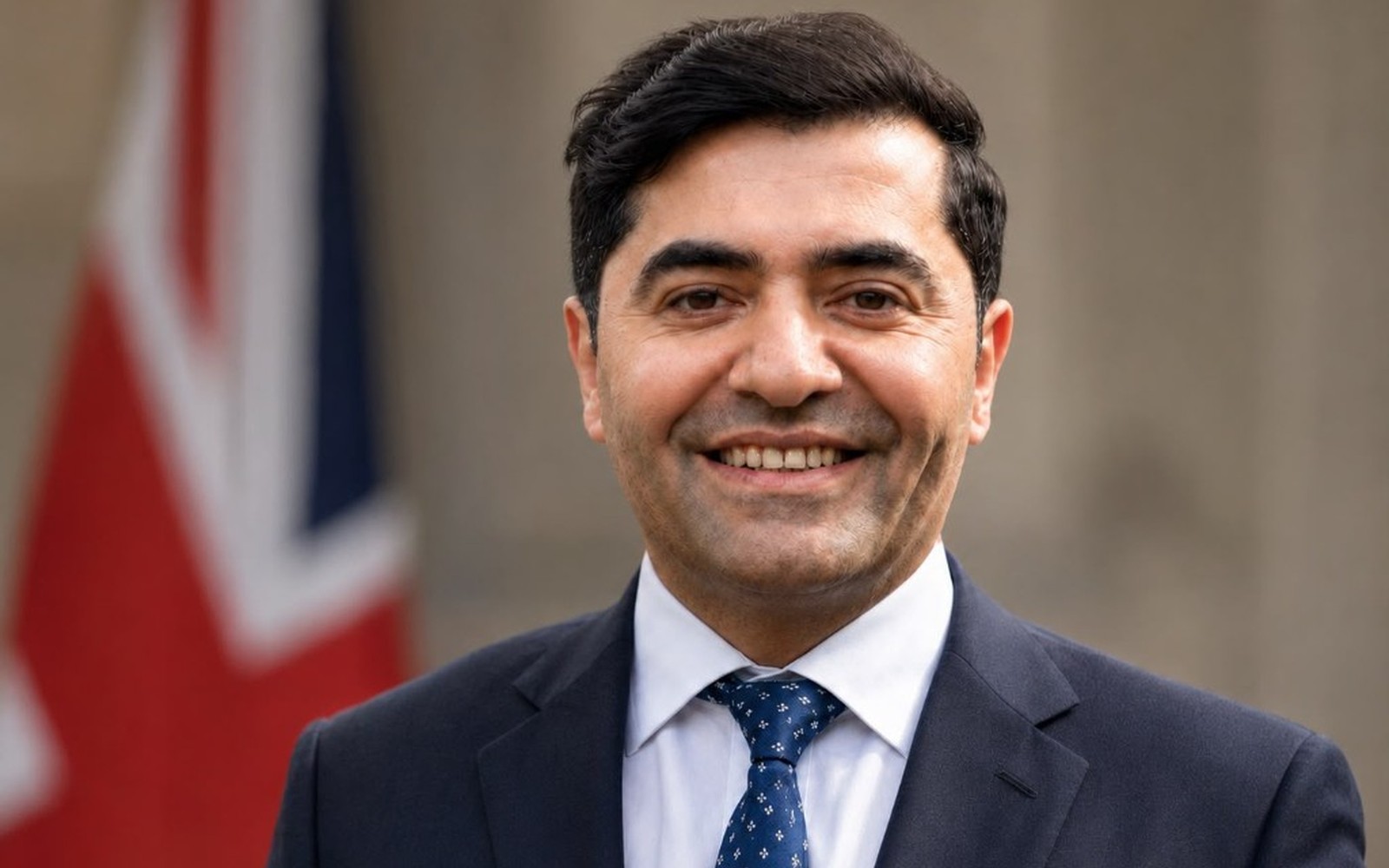
International Development Minister Kirsty McNeill has used the opening days of the UN General Assembly in New York to focus on global education, including the launch of a new international education council and fresh UK funding commitments.

McNeill said her first 24 hours at UNGA had been dominated by education, including the launch of the Council on the Future of Global Education, the UK's pledge to the Global Partnership for Education, and support for Education Cannot Wait and Street Child.
She said:
My first 24 hours at UNGA have had a big education focus.
UK pledges £100m to Global Partnership for Education
The Government announced a £100 million contribution for the 2026-30 replenishment of the Global Partnership for Education, the world's largest multilateral fund dedicated to strengthening education systems in lower-income countries.
McNeill had told Parliament's International Development Committee ahead of the summit that the UK had historically been a strong supporter of both GPE and Education Cannot Wait and that she would personally announce the new pledge in New York.
The pledge has attracted criticism from some development charities. Plan International UK said the £100 million commitment represented a 77% reduction compared with the UK's previous contribution and urged ministers to increase support during the replenishment period.
Save the Children had previously called for a £430 million UK pledge, arguing that a contribution on that scale could help train more than one million teachers and improve education for tens of millions of children.

Support maintained for Education Cannot Wait
McNeill also attended an event hosted by Education Cannot Wait and Street Child, focused on schooling for children affected by conflict, displacement and climate emergencies.
Education Cannot Wait said McNeill confirmed that the UK would maintain its funding for the organisation and highlighted the importance of protecting education when children are caught up in crises.
ECW estimates that 258 million school-age children are currently affected by crises worldwide, making education in emergencies an increasingly important part of the international development agenda.
McNeill pushes values-led development approach
The education focus comes shortly after McNeill set out a broader vision for UK international development based around what she described as five areas of security: health, climate, food, human and economic security.
She has argued that development policy should retain a clear moral purpose while also recognising that problems such as conflict, climate change and economic instability cross borders and ultimately affect Britain too.
Before entering government, McNeill worked as an executive director at Save the Children, where her responsibilities included global education, health, nutrition and humanitarian issues.
Education remains under severe pressure
The wider UN discussions come at a difficult moment for global education financing.
Development organisations warn that hundreds of millions of children remain out of school or are unable to access quality education, while humanitarian crises and climate shocks are putting additional pressure on already stretched systems.
For McNeill, the argument is that education remains central both to immediate humanitarian protection and to longer-term economic and social development.
Her first days at UNGA have therefore put education firmly at the centre of Britain's development diplomacy - combining support for children in emergencies with longer-term investment in national education systems.