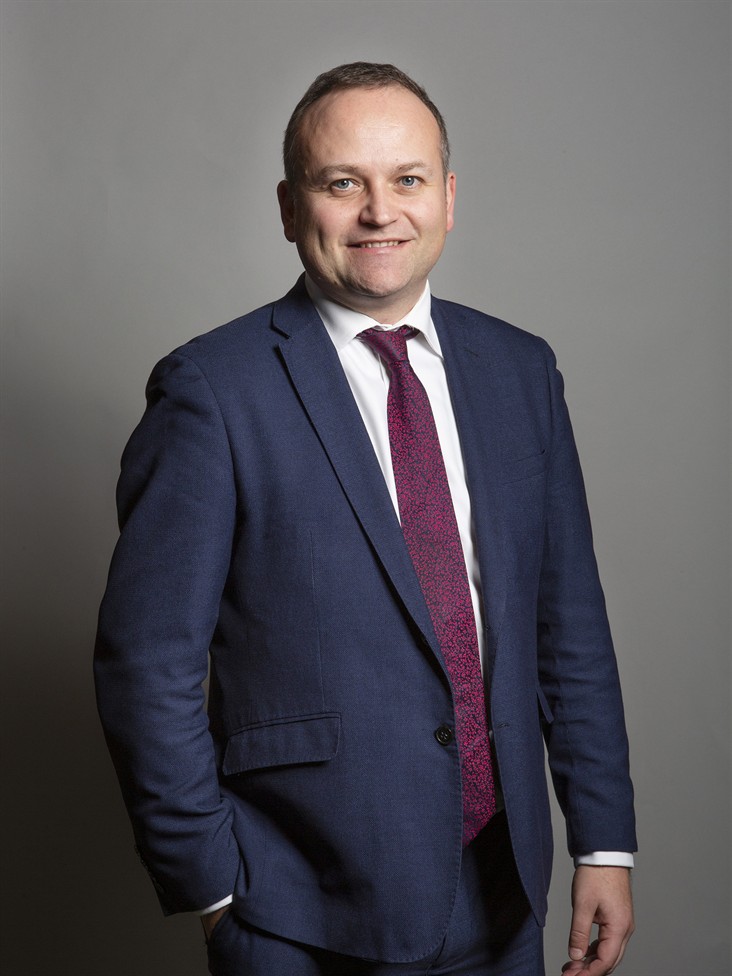
Labour MP Emma Lewell has raised concerns about the Government’s new Overnight Visitor Levy powers, warning that an additional charge on hotel and accommodation stays could damage hospitality businesses already facing significant cost pressures.

Lewell said she would seek a meeting with Prime Minister Andy Burnham or the relevant Secretary of State to make the case for the sector, describing the policy as “anti-growth” and saying it had arrived at “the worst time for hospitality”.
She said:
“I am really sad about this – it’s anti-growth and comes at the worst time for hospitality.”
Her intervention comes after the Government confirmed that mayors and other strategic local authorities in England will be given powers to introduce a percentage-based levy on paid overnight accommodation. The measure is part of Labour’s wider devolution programme and is intended to allow areas to raise money for local infrastructure, public spaces and the visitor economy.
Lewell seeks talks with Government
Lewell said she planned to raise her concerns directly with ministers.
“I will be seeking a meeting with either the PM or SoS to raise my concerns.”
The intervention is notable because it comes from within Labour and reflects concerns among some MPs representing constituencies where hospitality and tourism are major employers.
The Government has stressed that the levy will not be compulsory. Mayors and local leaders will decide whether to introduce one following local consultation, and will be expected to assess the likely economic impact before proceeding.
Hospitality industry pushes back
Lewell’s concerns echo warnings from hospitality representatives, who argue that the sector already faces high VAT, energy, staffing and operating costs.
UKHospitality has cited research suggesting that a 5% levy introduced widely could put tens of thousands of jobs at risk and reduce economic output by more than £2 billion.
Industry figures have also warned that an additional charge could make domestic holidays more expensive and weaken the competitiveness of British hotels compared with overseas destinations.
The Government argues, however, that visitor levies are already common in major international cities and that evidence suggests modest schemes need not significantly reduce visitor numbers.
Government says local choice is central
Under the confirmed model, the levy will be calculated as a percentage of accommodation cost rather than a flat nightly charge.
Ministers say that means a stay in a cheaper hotel or guesthouse would attract a smaller levy than an expensive five-star hotel, helping protect budget travellers.
The proceeds would remain locally controlled and could be invested in infrastructure, transport, high streets, events and measures designed to support tourism.
That has been welcomed by Labour mayors including Steve Rotheram, who has argued that a modest levy could help successful visitor economies reinvest in the attractions and infrastructure on which tourism depends. Labour MP Dan Tomlinson has also backed the new powers as a way to support regional growth.
Debate inside Labour
Lewell’s intervention highlights an emerging debate inside Labour over how far devolution should extend into new local revenue-raising powers.
Supporters argue that mayors should be trusted to make different choices according to local circumstances and be held accountable for them at the ballot box.
Critics such as Lewell are concerned that even an optional levy could create additional pressure on a sector that employs large numbers of people and includes thousands of small and independent businesses.
Her message to the Government is therefore not a rejection of devolution itself, but a warning that any new fiscal powers must be designed with the realities facing hospitality businesses firmly in mind.