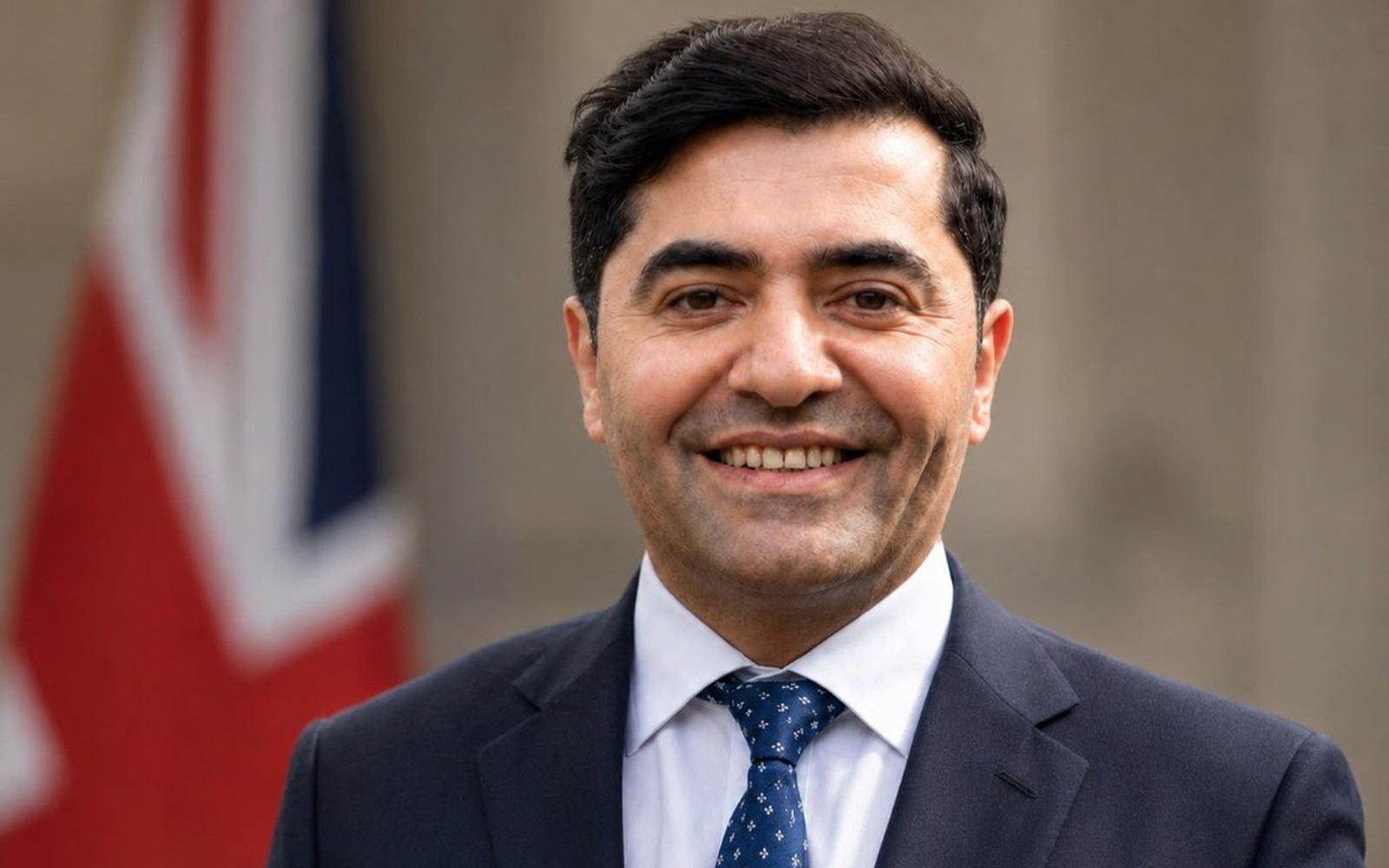
Labour minister Torsten Bell has criticised billionaire businessman Sir Jim Ratcliffe after the Manchester United co-owner said he had “no confidence in the UK” and described the country as being “on the slide”.
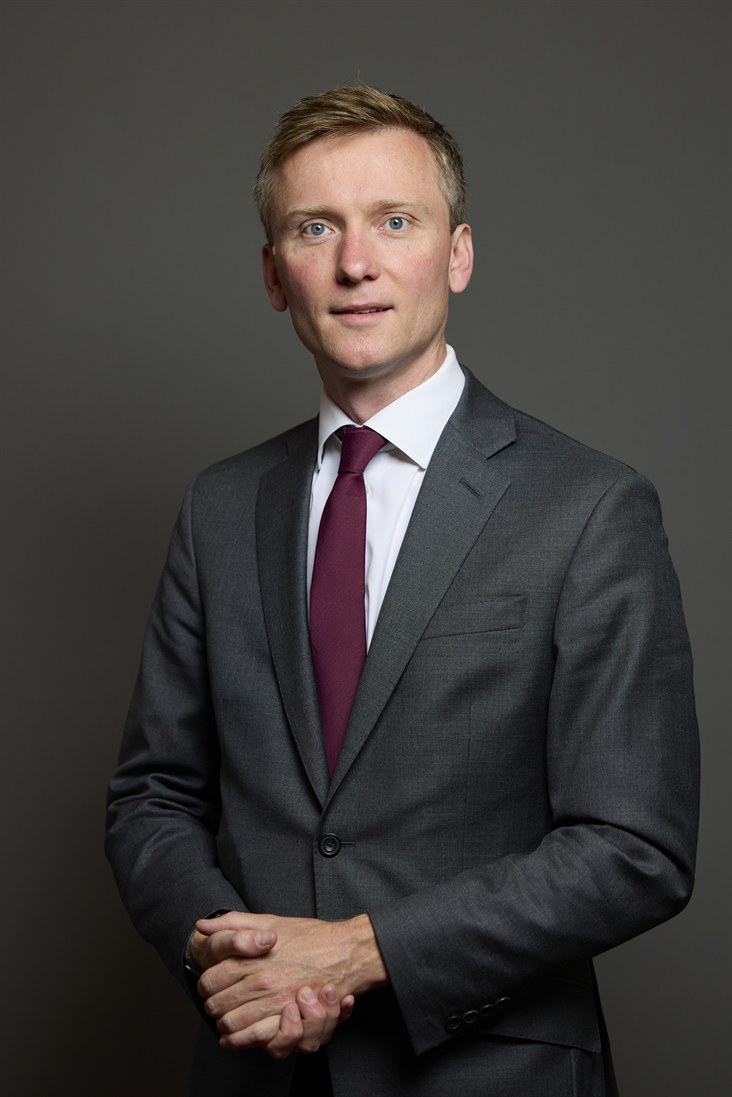
Ratcliffe, the founder and chairman of chemicals group Ineos, made the comments during an interview with BBC News in which he criticised Britain’s tax system, immigration levels and economic direction. Ratcliffe has lived in Monaco, which has a low-tax regime, since 2020.
Responding on social media, Bell argued that parts of the political right had what he described as a “massive patriotism problem”. He pointed to Ratcliffe’s decision to live outside the UK while criticising the country’s economic performance.
Bell wrote:
“So much of the right these days have a massive patriotism problem. This guy:
– is a tax exile (left long before this govt)
– hates his own country while complaining he doesn’t get big enough subsidies from it
– laments the manufacturing hit from a Brexit he supported.”
Bell is the Labour MP for Swansea West and serves as a Treasury minister as well as Minister for Pensions in the Department for Work and Pensions.
Ratcliffe says Britain is ‘on the slide’
During the BBC interview, Ratcliffe said he had “no confidence in the UK” and argued that the country had declined from its former international position.
He said:
“We had the greatest empire in the world. We were a great people. We won two world wars. We’re good, honest folk. But unfortunately, at the moment, I think the UK is on the slide. It’s quite difficult to see how we arrest it.”
Ratcliffe cited taxation, immigration, welfare spending and energy policy among his concerns. He also warned about the pressures facing British manufacturing and energy-intensive industries, including businesses operated by Ineos.
His comments come despite his support for Brexit before the 2016 referendum. Bell argued that Ratcliffe was now lamenting damage to manufacturing associated with a policy he had backed.
Bell added that there were “lots of brilliant business owners who live in Britain and are investing in it”, contrasting their approach with Ratcliffe’s assessment of the country.
Government promotes manufacturing investment
Bell’s intervention comes as the Labour Government seeks to place manufacturing and domestic investment at the centre of its economic strategy.
Business Secretary Jonathan Reynolds has argued that the Government wants to reindustrialise Britain. Recent investment announcements include McLaren’s plans to invest £500 million in its UK manufacturing and engineering operations, which the company says could create 1,000 jobs by 2032.
Nissan has also announced plans to invest £170 million in producing its Kicks e-Power hybrid SUV at its Sunderland plant, although the investment has been linked to negotiations over the Government’s electric-vehicle sales mandate.
The Government has also moved to bring Speciality Steel UK into public ownership, saying the intervention would safeguard approximately 1,300 jobs and protect strategically important steelmaking capacity.
Britain nevertheless continues to face major industrial challenges. These include post-Brexit trade barriers and concern that the European Union’s proposed “Made in Europe” policy could exclude UK manufacturers from subsidies, procurement schemes and parts of European supply chains.
Ratcliffe’s comments draw wider criticism
Ratcliffe’s remarks have attracted criticism beyond Westminster.
Manchester United’s Muslim Supporters’ Club called for Ratcliffe and the Glazer family to leave the club, describing his latest remarks as “completely unacceptable” and saying that it had lost confidence in the club’s ownership.
Earlier in 2026, Ratcliffe faced criticism after saying that Britain had been “colonised by immigrants”. He subsequently said he was sorry if his choice of language had offended people.
Bell’s response represents a direct rejection of Ratcliffe’s account of national decline. While not denying that the British economy faces serious pressures, Bell argued that the country should also recognise the businesses and entrepreneurs continuing to live, invest and create employment in the UK.