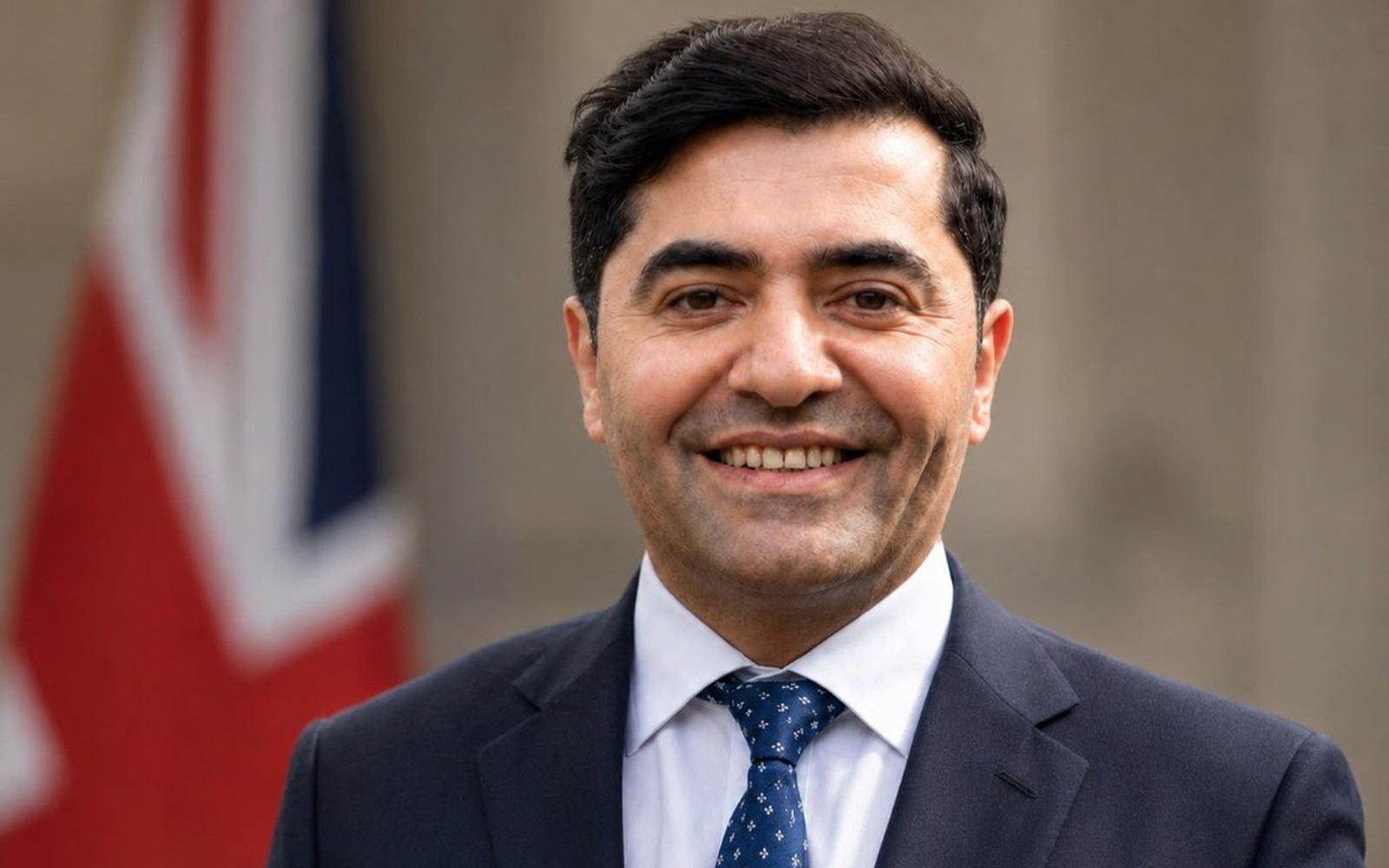
Liverpool City Region Mayor Steve Rotheram has welcomed plans to give English mayors the power to introduce an overnight visitor levy, saying a modest charge could raise around £18 million a year to reinvest in events, culture and the region’s visitor economy.

The Labour Government has confirmed that regional mayors will be given the option to introduce a percentage-based levy on paid overnight accommodation as part of its wider devolution agenda. The powers are expected to be available by 2028, subject to legislation.
Rotheram said:
“Visitor levies are used in many great cities across the globe to improve the visitor offer.”
“A modest levy here would give us more money to support our visitor economy, while helping our businesses and communities to benefit from its continued growth.”
He has estimated that a modest levy in the Liverpool City Region could raise £18 million a year, with the proceeds reinvested in the attractions and experiences that draw millions of visitors to the region, as he set out in his response to the announcement.
More power for local mayors
The Overnight Visitor Levy forms part of Prime Minister Andy Burnham’s drive to transfer more financial power away from Westminster and give local leaders greater control over how money is raised and spent.
Housing and Communities Secretary Angela Rayner said the measure would give mayors the choice to raise additional revenue for local services, public spaces and attractions, with decisions taken closer to the communities affected.
The levy would be charged as a percentage of the cost of overnight accommodation, covering hotels, bed and breakfasts and short-term holiday rentals.
The Government has not proposed a national cap on the rate, although several Labour mayors have indicated that any levy they introduce would be modest.
Rotheram wants proceeds reinvested in visitor economy
For Rotheram, the case for the levy is closely linked to Liverpool City Region’s success as a destination for major events, music, culture and tourism.
His argument is that continued growth in visitor numbers creates additional demands on local transport, public spaces, cultural attractions and other infrastructure, and that a small contribution from overnight visitors could help sustain and improve that offer.
Rotheram said the revenue could be reinvested into:
- major events and festivals;
- cultural institutions and attractions;
- improvements to the visitor experience;
- and initiatives supporting businesses that depend on tourism.
Liverpool already operates a £2-per-night accommodation charge through a voluntary business improvement district model. The new statutory powers would allow mayors to establish a more comprehensive regional levy.
Hospitality industry raises concerns
The proposal has, however, prompted criticism from parts of the hospitality sector.
UKHospitality has warned that an additional charge could increase costs for visitors and place further pressure on hotels and other accommodation businesses. It has cited analysis suggesting that a 5% levy applied nationally could reduce economic output and put jobs at risk.
Supporters of the measure argue that visitor levies are already commonplace in leading international destinations including Paris, Amsterdam, Barcelona and Venice, and that locally retained revenues can help maintain the infrastructure on which successful tourism economies depend.
Devolution with local choice
Crucially, the Government is not proposing a single compulsory national visitor tax. Instead, mayors will decide whether introducing a levy is appropriate for their region and how the proceeds should be spent.
That approach fits with Burnham’s wider argument that local leaders should have greater responsibility for shaping their own economies rather than relying entirely on Whitehall funding decisions, a theme Labour Home has also reported in the wider devolution debate.
For Rotheram, the new powers could provide Liverpool City Region with another tool to invest in the cultural and visitor attractions that have become an increasingly important part of its economy.
His case is that a modest levy, locally designed and locally spent, could allow the region to keep attracting major events and visitors while ensuring local businesses and communities share more fully in the benefits of tourism growth.