When people think about politics, they often picture Parliament, Prime Minister’s Questions or debates on television. Far fewer people think about the local councillor responding to a resident’s message late at night, visiting a housing block, attending a community meeting or trying to resolve a problem that has already passed through several official channels.
Yet councillors are often the first people residents turn to when something goes wrong. We are among the public representatives who remain most closely rooted in the communities we serve.
Being a councillor is one of the most challenging, demanding and rewarding roles in public life. It can be frustrating, exhausting and occasionally heartbreaking. But it is also one of the most direct ways to make a tangible difference to people’s lives.
As a Labour councillor representing Waterloo & South Bank in Lambeth, I have come to appreciate that local government is where democracy feels most real. Residents do not contact us with abstract political theories. They contact us because their home has a leak, rubbish has accumulated on their street, anti-social behaviour is affecting their quality of life, or they are worried about the future of their neighbourhood.
On any given day, my inbox may contain concerns about housing repairs, noise nuisance, fly-tipping, homelessness, planning applications, licensing issues, roadworks, public safety or local regeneration projects. Many of these issues are complex, and few can be solved overnight. By the time residents contact their councillor, they have often already tried several other routes without success.
One of the greatest challenges is managing expectations without losing determination. Residents deserve honesty. Councils cannot promise immediate solutions to every problem, particularly at a time when local government is facing financial pressures and rising demand for services.
But we can promise to listen, advocate, challenge and persist.
Persistence is one of the most important qualifications for public service.

In Waterloo & South Bank, I have worked with residents to tackle anti-social behaviour and excessive motorbike noise around the London Eye, Belvedere Road, York Road and County Hall. For many residents, the noise was not an occasional inconvenience. It affected their sleep, their children, older relatives and their ability to enjoy their own homes.
The campaign has involved petitions, residents’ correspondence, meetings with council officers, engagement with the Metropolitan Police and discussions with local businesses and other stakeholders. It has required persistence because no single organisation could resolve the issue alone.
One practical example was securing a police presence, including a police bus positioned near the London Eye during a particularly difficult weekend, alongside additional evening patrols. That did not solve the problem permanently, but it showed residents that their concerns were being taken seriously and demonstrated what can be achieved when elected representatives, residents and partner agencies work together.
The issue has not disappeared, and further action is still needed. But local government is often about creating momentum, keeping pressure on and securing incremental improvements that make a real difference over time.
That is true of many local campaigns. Progress does not always arrive through one dramatic announcement. It may come through a repaired street, a safer public space, a stronger enforcement operation, a better-designed consultation or a resident finally receiving an answer after months of frustration.
Another rewarding aspect of being a councillor is supporting the projects that strengthen communities. This may involve protecting valued local services, championing improvements to green spaces, supporting local businesses or encouraging residents to participate in consultations that will shape the future of their neighbourhood.
Much of the role involves bringing different groups together. Residents, businesses, community organisations, housing providers, police officers, council staff and elected representatives will often have different priorities. A councillor can act as a bridge between them, helping people find common ground and encouraging constructive dialogue.
The human side of the role is often overlooked.
Some of the most meaningful moments do not involve policy decisions or council meetings. They involve receiving a message from a resident who has finally secured a housing repair. They involve helping someone navigate a complicated process when they feel overwhelmed. They involve attending a community event and seeing neighbours come together to improve the place they call home.
These moments remind me why local politics matters.
For Labour, the lesson is clear: local government should not be treated simply as an administrative tier of the state. Councils need stable, multi-year funding, greater local decision-making powers and the ability to coordinate services around the needs of their communities. When councils are forced to respond only after problems have become crises, residents understandably lose faith. With the right resources and responsibilities, councils can act earlier, support prevention and work with residents to build safer, healthier and more connected neighbourhoods.
Being a councillor also teaches humility. No councillor succeeds alone. Effective local government depends on dedicated officers, community leaders, volunteers, campaigners and residents who care deeply about their area. The best outcomes are usually achieved through collaboration rather than confrontation.
That is why more people from diverse backgrounds and experiences should consider becoming councillors. Local government should reflect the communities it serves. It needs people who understand the realities facing working families, renters, small business owners, young people, older residents and community organisations.
The pressures facing councils are serious. Rising demand, housing insecurity, financial constraints and increasingly complex social needs mean that there are rarely simple answers. But local government remains one of the most powerful tools available to deliver practical, positive change.
At its best, local democracy is personal, practical and rooted in place. It is not primarily about headlines. It is about people.
When residents stop me in the street to raise an issue, share an idea or thank the council for something that has improved their daily lives, I am reminded of the unique connection local representatives have with their communities. Few other political roles provide that same relationship.
Being a councillor requires patience, resilience and a willingness to keep going when progress is slow. But it also offers the opportunity to shape the future of the places we love and to stand alongside residents when they need support most.
The frontline of politics is not always Westminster. It is the doorstep, the estate, the high street and the residents’ meeting.
That is where trust is earned - and where democracy becomes personal.
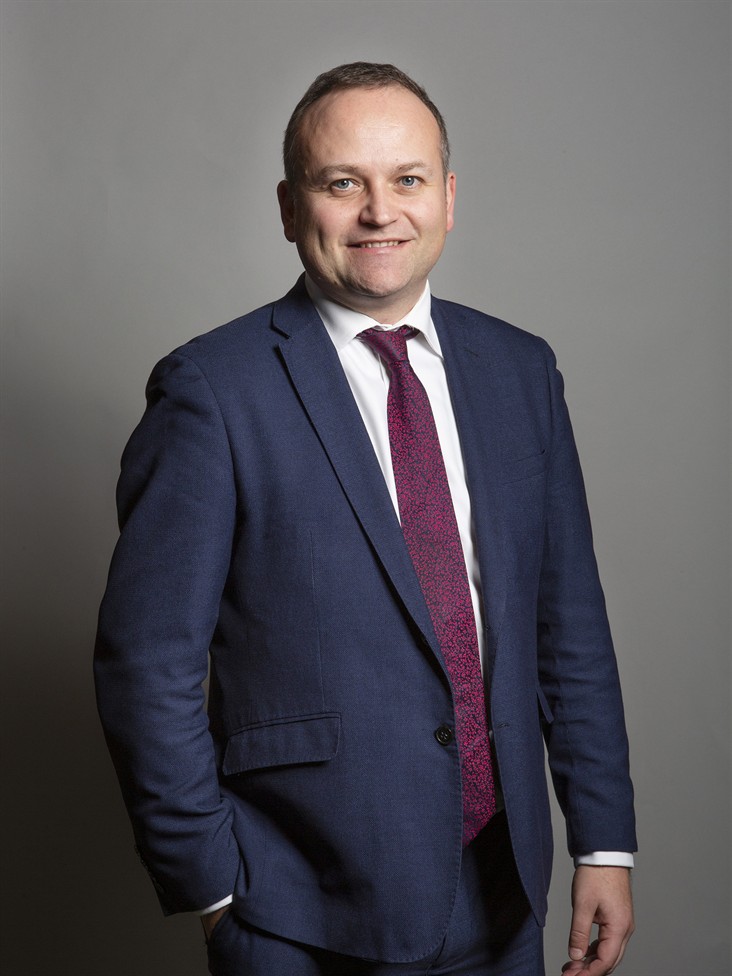
Cllr Ibrahim Dogus is a Labour councillor in the London Borough of Lambeth. He was a Labour parliamentary candidate in 2017 and 2019, and is Chair of SME4Labour and Director of LabourHome.