Monday 7 September 2026
Labour begins another important political week with economic growth, devolution and public-service reform increasingly at the centre of the government’s agenda.
From Chancellor John Healey’s push for investment and regional growth to Steve Rotheram’s historic return of buses to public control in the Liverpool City Region, the past week has provided several examples of Labour seeking to translate its political priorities into practical change.
There have also been encouraging signs from the jobs market, new action on minimum-wage enforcement and further detail from Prime Minister Andy Burnham on his ambition to move political and economic power away from Westminster.
Here are some of the key developments from the past week.
Healey sets out ‘Growth Britain’ agenda
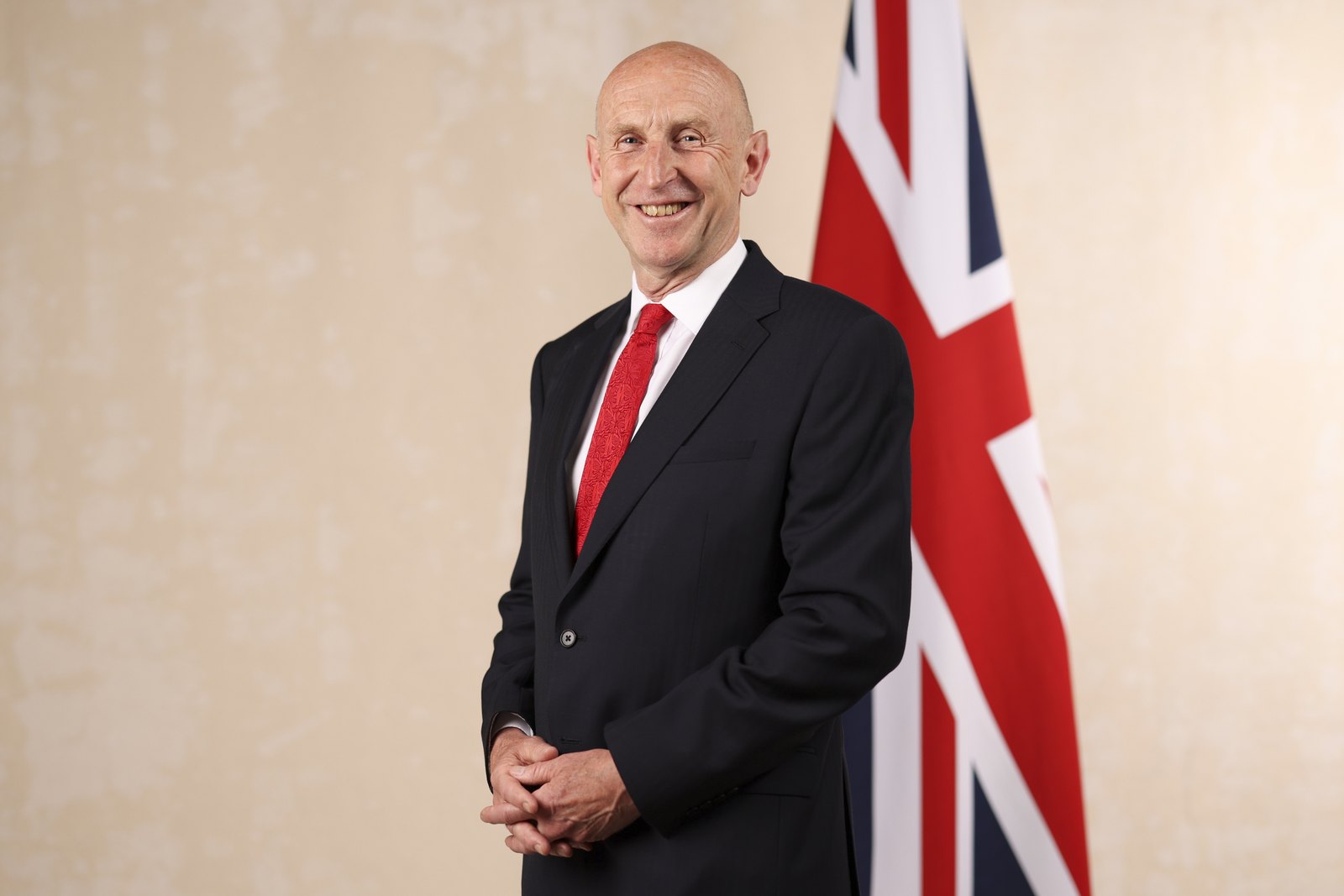
Chancellor John Healey has put investment, infrastructure and regional economic growth at the heart of his emerging economic programme.
Speaking at the Manufacturing Technology Centre near Coventry, Healey highlighted advanced manufacturing as one of Britain’s major opportunities and pointed to the country’s strengths in research, life sciences, financial services, defence technology and the creative industries. Labour MP Lucy Rigby KC was among those welcoming the Chancellor’s growth speech.
The Chancellor’s message was clear: Britain needs to remove unnecessary barriers to investment, improve productivity and ensure economic growth reaches communities across the country.
His appearance alongside West Midlands Mayor Richard Parker and Business Secretary Jonathan Reynolds also underlined the government’s emphasis on regional growth.
The challenge for the Treasury will be to combine fiscal responsibility with the investment needed in infrastructure, housing, skills and public services.
For Labour, the political test is straightforward: whether a stronger national economy ultimately translates into better wages, more secure jobs and rising living standards.
Historic day as Liverpool City Region buses return to public control

A major milestone in Labour’s devolution agenda was reached this weekend as the first services in Liverpool City Region returned to public control after around four decades.
The first phase of Mayor Steve Rotheram’s franchised bus network began in St Helens, giving the combined authority greater control over routes, fares and service frequencies.
Passengers are set to benefit from expanded evening and weekend services, more frequent buses and new connections, including a direct link between St Helens and Liverpool John Lennon Airport.
Services across Wirral are expected to follow, with the remainder of the Liverpool City Region moving into the new system during 2027.
Rotheram has argued that deregulation left local leaders with too little ability to shape transport according to the needs of residents.
The change is therefore about more than buses. Reliable public transport determines whether people can reach jobs, education, shops and essential services.
It also provides an early example of the wider argument being made by Andy Burnham’s government: that stronger regional economies require local leaders to have greater control over the decisions affecting their communities.
Encouraging signs from Britain’s jobs market
There was welcome economic news this week as Britain’s recruitment market showed signs of improvement.
Permanent staff placements increased in August for the first time since September 2022, according to the latest Recruitment and Employment Confederation and KPMG survey.
Temporary billings also strengthened, while starting salaries for permanent workers increased.
The wider picture remains mixed. Vacancies are still under pressure and candidate availability has risen, partly reflecting redundancies elsewhere in the economy.
Nevertheless, after a prolonged period of caution among employers, an improvement in permanent recruitment will be welcomed by ministers.
One month’s figures should not be overstated, but sustained improvements in hiring and business confidence would provide important evidence that economic conditions are beginning to strengthen.
Burnham promises ‘power into every postcode’
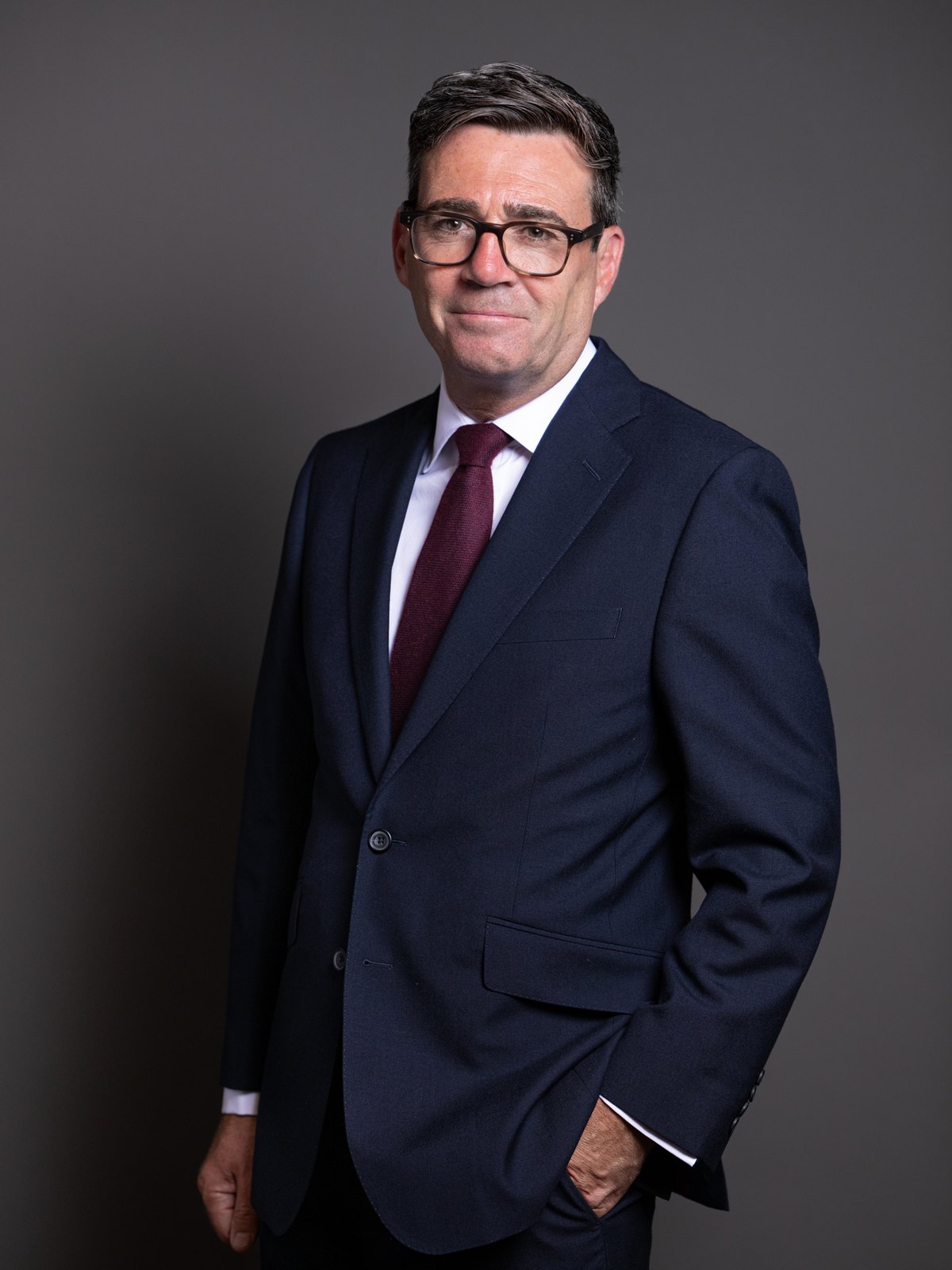
Prime Minister Andy Burnham has placed devolution at the heart of his government’s programme, promising to transfer more political and economic power away from Westminster.
In his Commons statement following the summer recess, Burnham argued that communities should have considerably greater influence over transport, housing, skills and economic development.
His proposed Number 10 North operation is intended to provide regions with a more direct route into central government and help accelerate decisions affecting local economies.
The government has also indicated that areas without established devolved structures will be offered discussions about gaining greater powers.
Burnham’s argument draws heavily on his experience in Greater Manchester: that local leaders often understand the economic and social challenges facing their communities better than Whitehall departments.
The success of the policy will ultimately depend upon how much meaningful authority and funding is transferred.
But the direction of travel represents a significant change in the relationship between central government and England’s cities and regions.
£4 million returned to workers as Labour strengthens minimum-wage enforcement

Thousands of workers have received money owed to them after almost 660 employers were named for failing to pay the National Minimum Wage.
Around £4 million has been returned to approximately 27,000 workers.
The announcement comes as enforcement responsibilities move to the new Fair Work Agency, established to strengthen protection for workers and ensure employers comply with employment law.
Future of Work Minister Kate Dearden has argued that effective enforcement benefits both employees and responsible businesses.
That distinction is important.
Businesses that follow employment law and pay their workers properly should not find themselves undercut by competitors gaining an unfair advantage through non-compliance.
The government’s task will be to maintain robust enforcement while ensuring smaller employers have clear information and support to understand their responsibilities.
Reform faces questions over political funding

Reform UK has faced renewed scrutiny after two senior figures stepped aside following allegations concerning possible foreign funding of political polling.
Reform has denied wrongdoing, while Nigel Farage has said the party has broken no laws.
Labour has called for the allegations to be investigated.
The Electoral Commission has said it is considering the information available and is in contact with police.
It is important that allegations are not treated as established facts before investigations have taken place.
However, the developments are likely to intensify the wider debate about transparency, political finance and foreign influence in British democracy.
Government balances prison reform with public protection
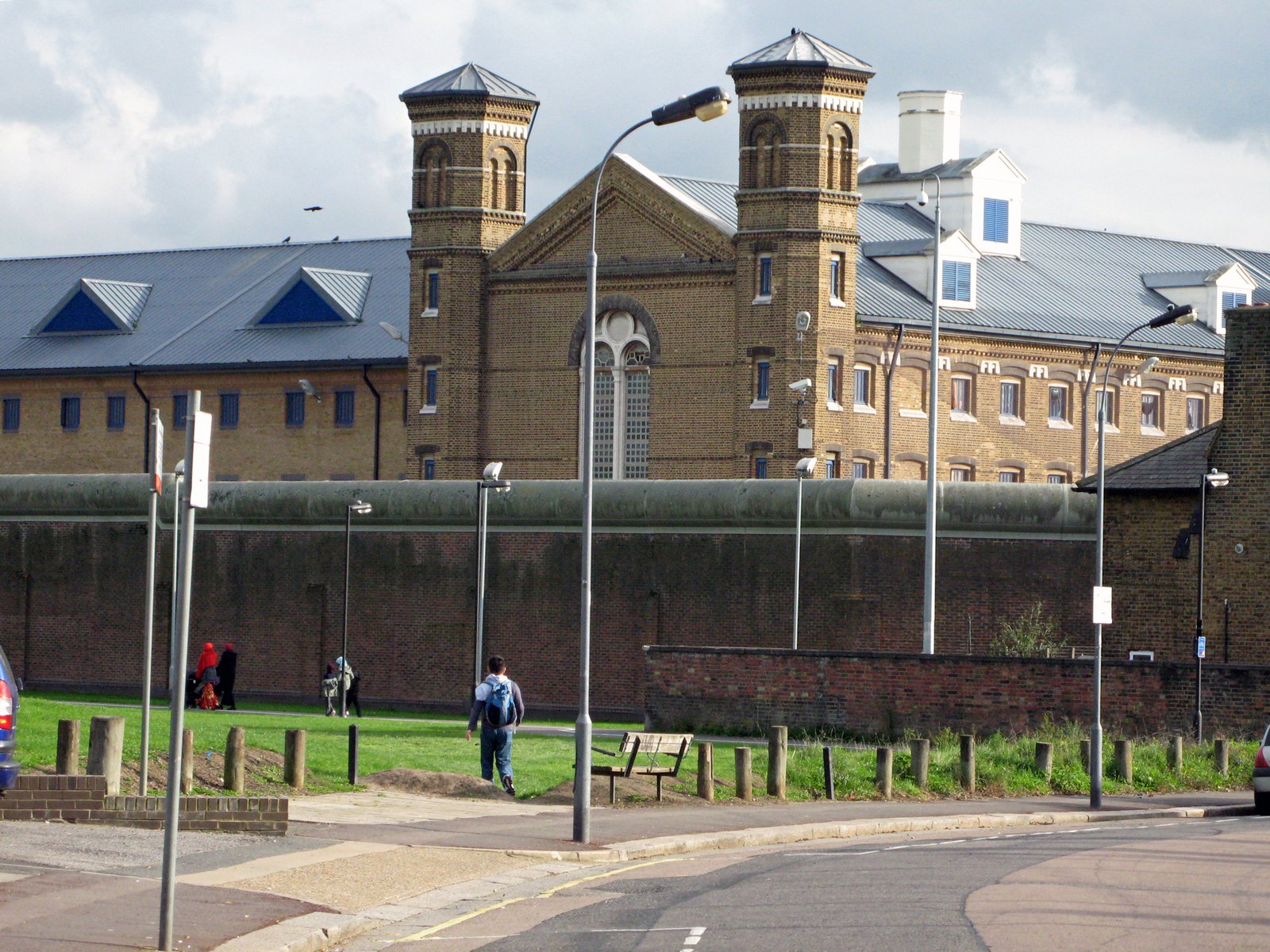
The government has provided further detail about its approach to prison reform, confirming that people convicted of a number of serious offences will be excluded from planned reductions in prison sentences.
Those convicted of manslaughter, death by dangerous driving and indecent assault are among those expected to be excluded, following earlier protections relating to rape, grooming and serious child sexual offences.
At the same time, Burnham has indicated that the government wants to address the continuing controversy surrounding Imprisonment for Public Protection sentences.
Some prisoners serving IPP sentences remain in custody many years after completing their original minimum tariff.
The government is attempting to balance two objectives: protecting the public and maintaining confidence in sentencing while addressing overcrowding and longstanding problems within the prison system.
Finding that balance will be one of the most difficult challenges facing ministers.
A clearer economic model begins to emerge
Taken together, developments over the past week reveal an increasingly recognisable approach from the Labour government.
The emerging model combines greater regional power, investment in infrastructure and manufacturing, improvements to transport, stronger employment protections and a focus on raising productivity.
The central argument is that Britain cannot achieve stronger national growth while large parts of the country remain economically disconnected from opportunity.
Better transport allows people to reach employment. Greater local authority enables regions to shape investment around their own needs. Strong employment standards can help ensure the benefits of growth reach workers.
The question now is whether these policies can produce visible improvements quickly enough for voters to feel the difference.
What to watch this week

Further announcements from the Treasury will be important as John Healey develops the government’s growth strategy, particularly around infrastructure, regulation, investment and support for Britain’s regions.
The rollout of Liverpool City Region’s new bus system will also be closely watched. Its success or failure will carry significance well beyond Merseyside as other Labour leaders explore greater public control of transport.
Economic data will remain important. The latest recruitment figures offer grounds for cautious optimism, but ministers will want to see sustained improvements in vacancies, wages, investment and employment.
There will also be increasing political activity ahead of Labour Party Conference in Liverpool later this month, as ministers, MPs, mayors, businesses, trade unions and campaign groups begin setting out the arguments they want to dominate Labour’s autumn agenda.
For Labour, the next phase is increasingly about delivery.
The government’s challenge is to demonstrate that its programme of devolution, investment and reform can translate into something voters experience directly: better jobs, better services, stronger communities and improving living standards.