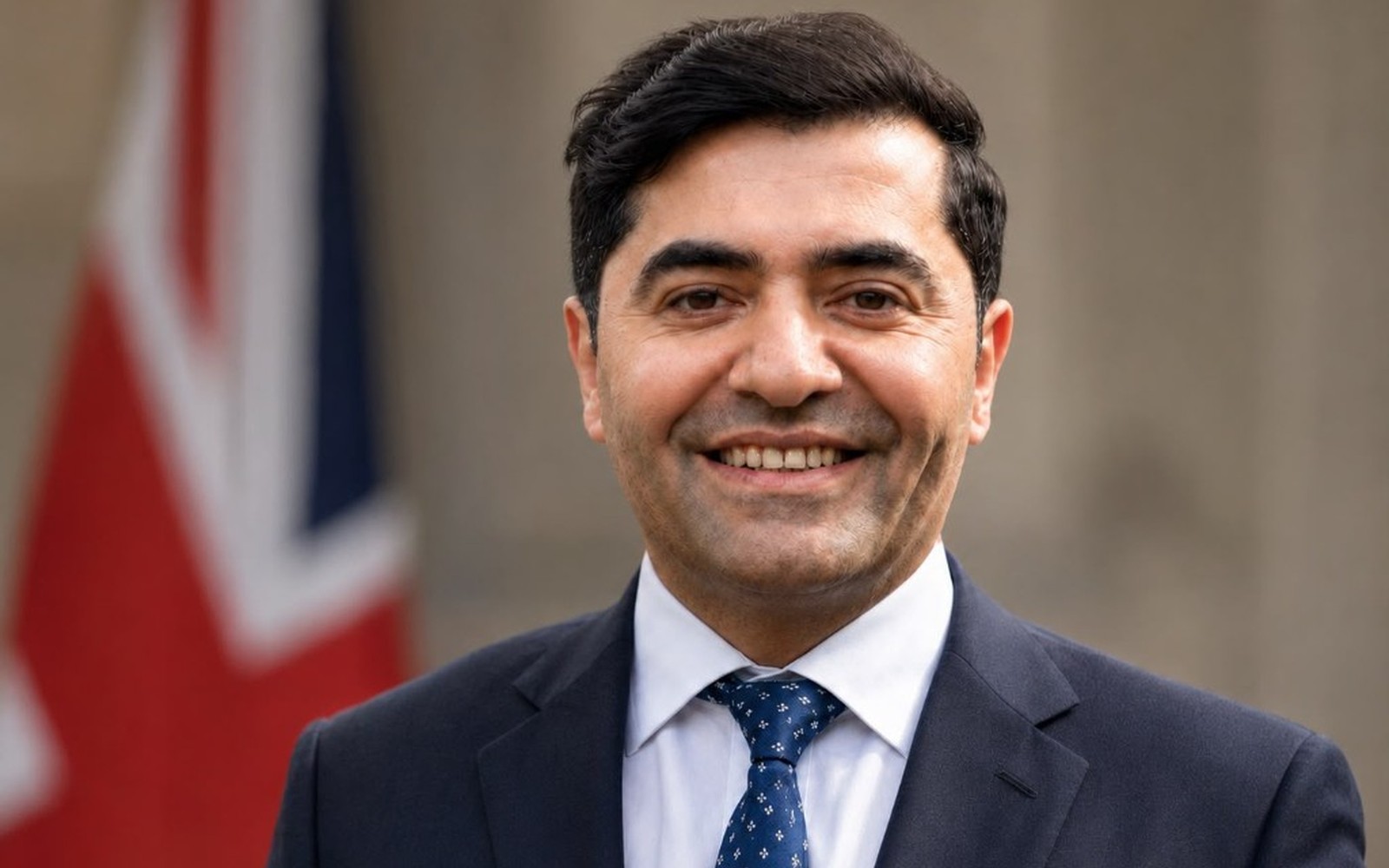

By Cllr Ibrahim Dogus
Over the past few weeks, I have spent many hours campaigning in Makerfield. Like thousands of Labour activists across the country, I have knocked on doors, spoken to residents, listened to frustrations and heard hopes for the future.
What struck me most was not what was different about Makerfield, but how familiar it felt.
Whether in Wigan, Walsall, Westminster or Waterloo, people are asking many of the same questions. They want safer streets. They want good jobs. They want pride in their communities. They want to know that their children will have better opportunities than they did.
Above all, they want politicians to understand the realities of everyday life.
At a time when Labour faces growing questions about its direction in government and its future leadership, the temptation will be to focus on Westminster personalities, internal debates and political manoeuvring.
That would be a mistake.
The answers do not lie in conference halls, television studios or endless discussions among political insiders. They lie on Britain’s doorsteps.
As Labour reflects on the lessons from Makerfield and looks ahead to the challenges ahead, I believe there are three issues that will determine not only the future of our party, but also the future of Britain.
I call them the Three Smalls: small towns, small businesses and small boats.
Small Towns
For too long, too much of our national conversation has been dominated by Westminster, Whitehall and our major cities.
Yet Britain is a nation of small towns.
Places such as Makerfield, Leigh, Dudley, Hartlepool, Mansfield, Nuneaton and dozens more represent millions of people whose voices have often felt overlooked.
These towns built modern Britain. They powered our industrial revolution, supplied our armed forces and created generations of skilled workers.
Many now feel they have been left behind.
People are tired of hearing grand national announcements while their high streets decline, buses disappear, GP appointments become harder to secure and young people leave in search of opportunity elsewhere.
The next phase of Labour’s mission must be rooted in rebuilding pride and prosperity in Britain’s towns.
That means revitalising town centres, improving transport links, investing in skills and apprenticeships, supporting local high streets and ensuring economic growth reaches every corner of the country.
People do not expect miracles. They simply want to see visible improvements in the places they call home.
If Labour loses touch with small-town Britain, it risks losing touch with Britain itself.
Small Businesses
The second small is perhaps even more important.
Small businesses are the backbone of the British economy.
They employ millions of people, create jobs, drive innovation and keep local communities alive.
As someone who arrived in Britain as part of a refugee family, started with very little and went on to build businesses from scratch, I know the challenges entrepreneurs face.
Rising costs, skills shortages, regulation, access to finance and economic uncertainty continue to place enormous pressure on business owners across the country.
Yet too often, public debate focuses on multinational corporations while overlooking the café owner, the local retailer, the independent manufacturer, the tradesperson or the family-run restaurant.
Small business owners do not ask for special treatment.
They ask for stability.
They ask for fairness.
They ask for government to understand the risks they take and the jobs they create.
A Labour Party that wants to be the natural party of economic growth must become the natural party of small business.
Economic growth will not be delivered solely from boardrooms in London.
It will come from thousands of entrepreneurs opening their doors every morning in towns and communities across Britain.
Small Boats
The third small is undoubtedly the most politically sensitive.
Yet it is impossible to ignore.
The issue of small boats has become one of the defining political challenges of our time.
For many voters, concerns about illegal migration are not driven by hostility or prejudice.
They are driven by a belief that governments should be able to control their borders and operate an immigration system that is fair, orderly and effective.
Too often, political debate has become polarised between those who demand ever harsher rhetoric and those who dismiss legitimate public concerns.
Neither approach is sufficient.
Britain can be a compassionate country while maintaining secure borders.
We can uphold our international obligations while tackling criminal gangs that exploit vulnerable people.
We can support genuine refugees while ensuring the public has confidence in the system.
The public is looking for competence, not slogans.
They want practical solutions and honest leadership.
Ignoring the issue will not make it disappear.
Addressing it effectively is essential to rebuilding trust in politics.
The Future of Labour
The lesson from Makerfield is not complicated.
Voters are not asking for ideological purity.
They are not demanding endless internal debates.
They want Labour to focus relentlessly on the issues that affect their lives.
The future leadership of our party will ultimately be judged on whether it understands the concerns of ordinary working people in places like Makerfield.
Can Labour deliver growth that reaches every town?
Can Labour back the entrepreneurs who create jobs?
Can Labour restore confidence in our borders and institutions?
Those are not separate questions.
They are connected.
At their heart lies a common theme: security.
Economic security for families.
Financial security for businesses.
Community security in the places people live.
National security through effective and trusted borders.
Together they form a broader question about whether Britain works for ordinary people.
The Three Smalls may not dominate Westminster discussions or political conferences.
But they dominate conversations on doorsteps.
And doorsteps, not conference halls, are where elections are won and lost.
If Labour gets the Three Smalls right — small towns, small businesses and small boats — it will not only secure its political future.
It will help secure Britain’s future too.