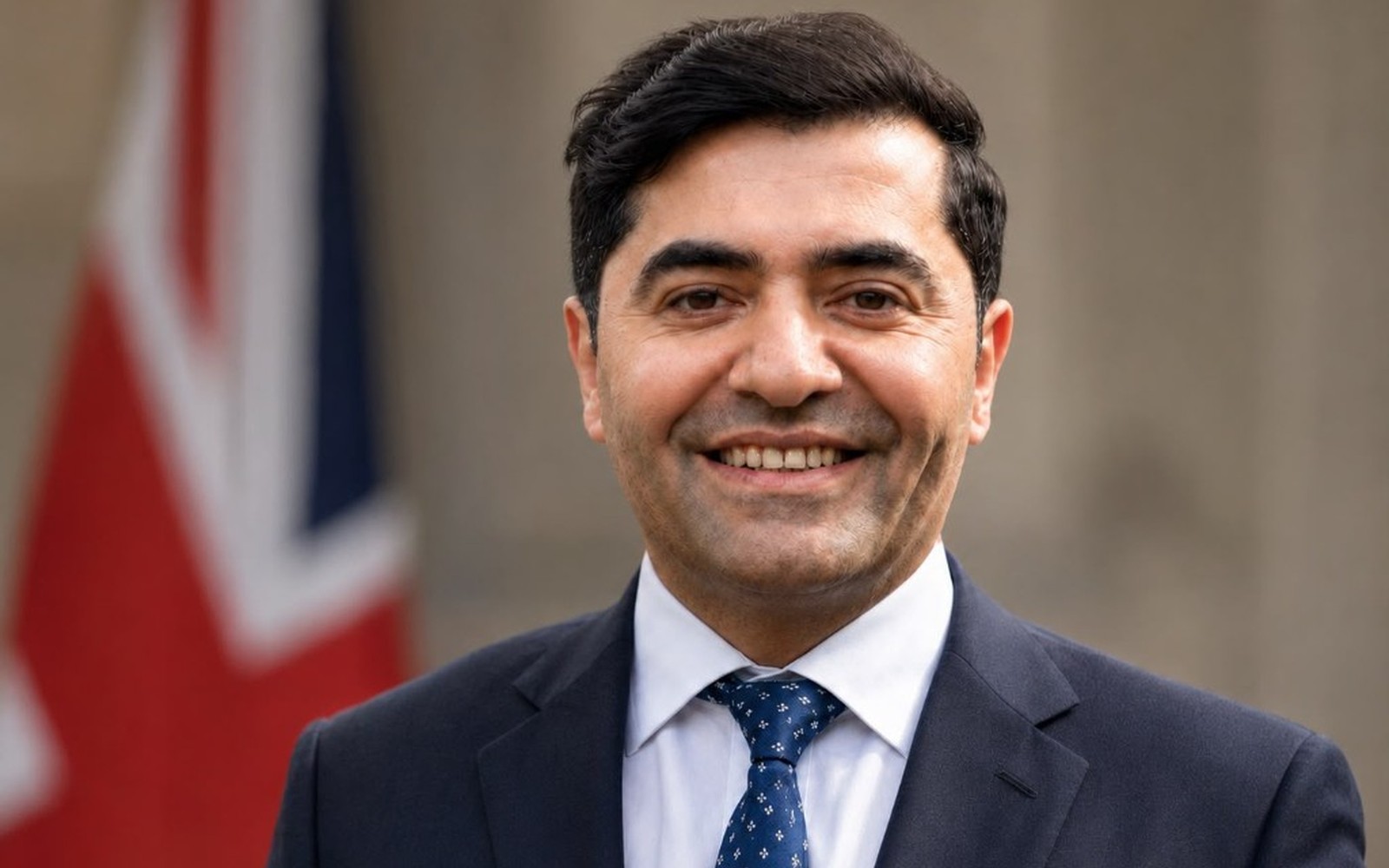
Senior Labour figures have praised Andy Burnham's first party conference speech as Prime Minister, saying his deeply personal address gave the party a clearer sense of direction and renewed confidence in its values.

Burnham used Tuesday's speech in Liverpool to argue for a break with the economic and political thinking of the past 40 years. He set out ambitions for a National Care Service, greater public control of essential services, more council housing and electoral reform, while promising to examine options for Britain's long-term relationship with the European Union.
"Hope comes from honesty and we will have hope again," he told delegates. His account of his family's working-class aspirations, and a tribute to his late father Roy, brought one of the most emotional moments of the conference.
Foreign Secretary Ed Miliband had used his own conference speech on Monday to say Burnham had "put Labour values back at the heart of our Labour Government". He praised the Prime Minister's confidence and willingness to be bold.
Housing Secretary Angela Rayner backed Burnham's decision to confront the difficult question of how to fund social care. Speaking ahead of his address, she said he was "absolutely right to start the conversation" about changes to the state pension triple lock and described him as "brave". Her comments were support for opening the debate, not an unconditional endorsement of every detail of the proposal.
After the speech, Labour MP Stella Creasy welcomed Burnham's assessment of Brexit. "Andy Burnham has spoken the truth that the British people are living every day: Brexit has done more harm than good," she said. Creasy, who chairs the Labour Movement for Europe, argued that "everything must be on the table" as the government considers its future relationship with the EU. Burnham himself did not commit to a particular option in his conference address.
Other Labour MPs pointed to the effect of the speech on delegates. Glasgow South MP Gordon McKee told LabourList that people around him had been "really emotional" and that the address signalled a determination to fight for change. Hitchin MP Alistair Strathearn said Labour appeared more comfortable expressing its values and that Burnham could explain authentically why he was a Labour Prime Minister.
Leader of the House Sir Alan Campbell also acknowledged a change in the party's mood. While stressing his respect for former Prime Minister Keir Starmer and what he had achieved, Campbell told LabourList: "We are in a different place now."
The response extended beyond Westminster. Joanne Thomas, general secretary of the retail workers' union Usdaw and chair of Labour Unions, praised Burnham's "determination to change politics and hope born out of honesty". GMB national secretary Rachel Harrison said the speech contained announcements the union could support, while adding that the government must now deliver them.
That test of delivery runs through the positive reaction. Burnham's proposed National Care Service depends on further decisions about its design and funding; his commission on electoral reform will report before a proposed manifesto commitment; and he has promised to set out options on Europe later this year. Supporters welcomed the scale of his argument, but the conference did not settle those questions.
For Labour figures leaving Liverpool, the immediate change was in the party's sense of purpose. Burnham closed by asking delegates to get behind his plan and one another. Whether that conference momentum lasts will depend on the choices his government makes next.