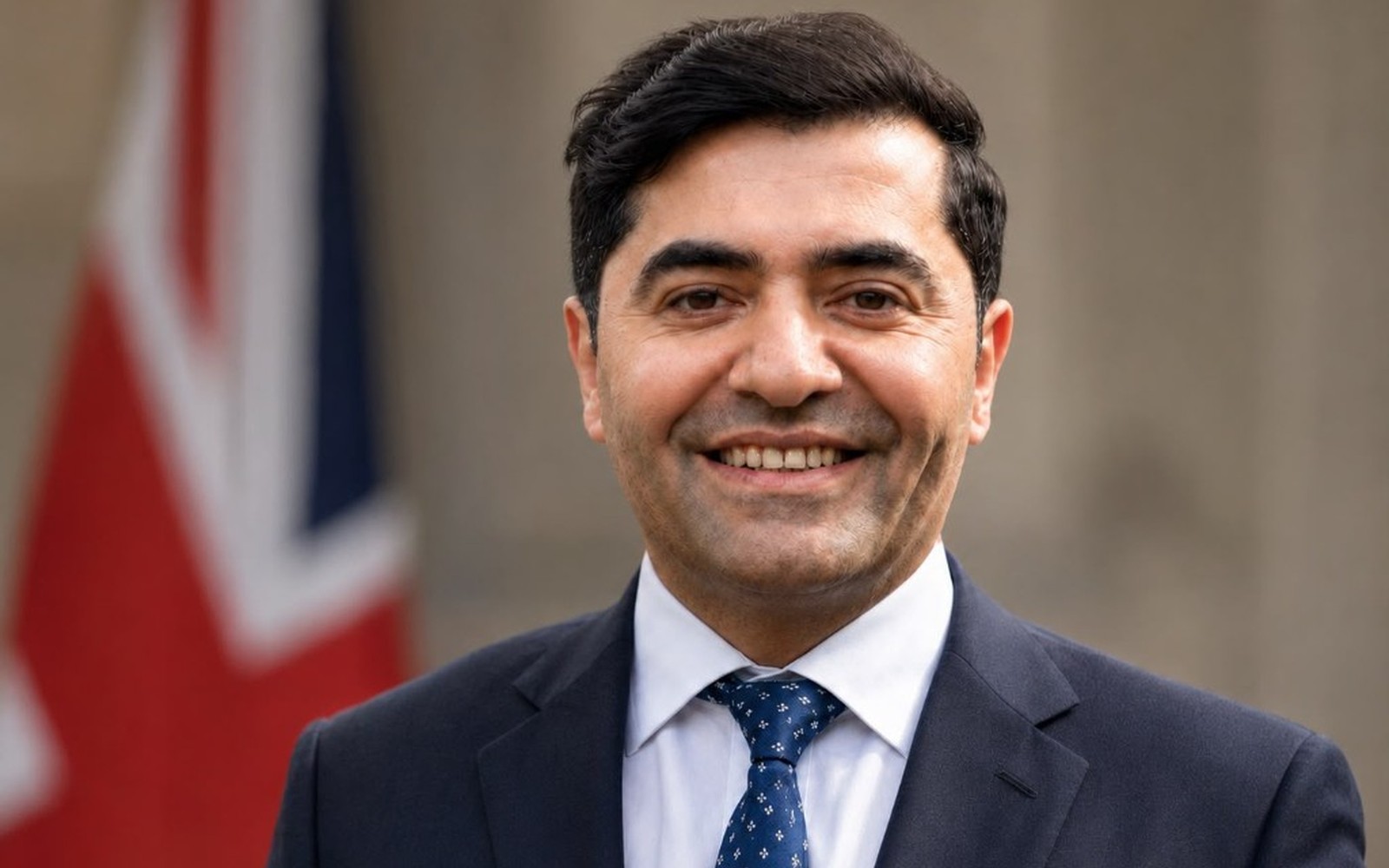
Labour MP Connor Naismith has demanded a meeting with Cheshire East Council after a constituency survey found most families will not pay for a replacement school bus from Willaston to Malbank School & Sixth Form, and many will drive instead.
Parents and teachers were told funding for the Mikro bus would end from September 2026 after a toucan crossing was installed at Peacock roundabout. Families say they were not properly consulted and now face annual fees of more than £900 for a place on the private service — money many cannot spare.
Existing Stagecoach and D&G public buses follow a similar route at about £340 a year, but services are already oversubscribed and the timings do not match the school day.

Mr Naismith's office surveyed parents, students and residents along the route and received more than 120 responses. Just 26% of families said they planned to pay for the Mikro bus. Almost all parents and students — 97.3% — said safety was a barrier to walking, and only 12.3% would walk or let their child walk after the funded service ended.
There was clear demand for more public capacity: 61.6% said they would pay £340 a year for a guaranteed public bus place. Two-thirds — 67.1% — said they would drive their child to school daily or in combination with other travel, and 31 residents who were neither parents nor students raised congestion concerns. Nearly three in five parents said the cut had affected, or would affect, their school choice, and 97.3% said they had not been fairly consulted.
Connor Naismith: 'Confusion and disruption'
The Crewe and Nantwich MP has arranged a meeting with Cheshire East Council for parents and Malbank headteacher Mr Harrison to present the findings and press for better options. A copy of the survey report has also gone to public operators.
"With the new school year underway, parents have been met with confusion and disruption over the transport options available to students living in Willaston. This is not the best start for children who are missing a reliable route to school.
"The wider implications of cancelling the funded bus are clear from this survey. More traffic on the roads, substantial costs for parents, changes to school choices, concerns around pedestrian safety.
"I will be putting this evidence to key stakeholders to ask what more can be done to ensure that students have an affordable and sustainable route to school."
John Harrison: 'What it costs'
Malbank School and Sixth Form headteacher Mr John Harrison said good public policy should be judged by what it costs as well as what it saves.
"In pursuit of a comparatively small financial saving, this decision has generated widespread concerns about pupil safety, placed additional burdens on working families during a cost-of-living crisis, increased traffic congestion and environmental impact, and undermined confidence in long-term school choice.
"These outcomes were neither unexpected nor unforeseeable. They were highlighted as soon as news of this decision first landed, and it is deeply disappointing that so many of those warnings have now come to pass.
"The lack of meaningful consultation has also left many families feeling that their concerns were never properly heard, and in doing so, an opportunity to reach a more sensible and workable solution may have been lost."
Sarah Jones: 'Real life consequences'
Parent Sarah Jones, who has campaigned with the MP over the cut, said the survey laid bare the day-to-day impact.
"The results of this survey really highlight just how much of an impact this change has and will continue to have on families, residents and ultimately local schools and communities. The lack of consultation and regard for real life consequences on real life people is clearly pertinent in these results, and this is unfortunately continuing even now with mixed messaging from CEC when responding to parents who are struggling to manage the new reality.
"We are seeing very real impacts day to day, which were very predictable and could've been mitigated by a proper consultation, or a more focused, tailored approach. Until CEC accept responsibility for how this has been managed, and support families in reaching an adequate long-term resolution, this discontent, concern for our children's safety, education and wellbeing, as well as financial worries are going to continue."