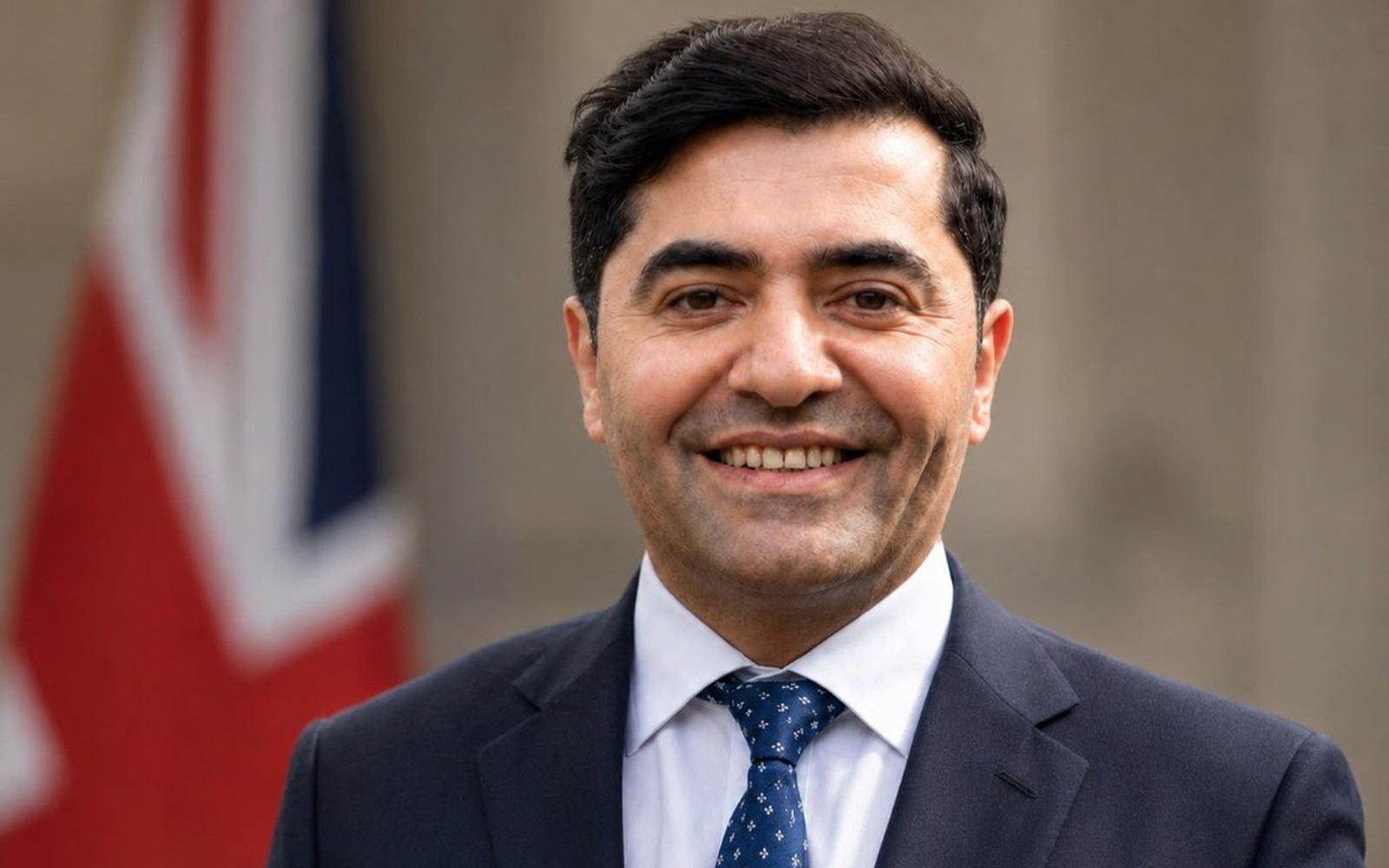
Prime Minister Andy Burnham has announced that RAF Chinook helicopters and A400M aircraft will be equipped to fight fires, ready when requested to help crews across the UK tackle blazes on remote moorland, steep hillsides and other hard-to-reach terrain.

Firefighters on the front line in England will also be backed by additional specialist wildfire teams and new lightweight, wildfire-specific protective equipment, supported by up to £45 million. Unlike their current kit, which is designed mainly for fires in buildings, it will be lighter and more breathable so crews can wear it for longer.
Andy Burnham: 'I will never forget it'
"I stood in Stourbridge and watched families lose everything. I will never forget it," Andy Burnham said. "Our firefighters were heroes that day, but heroes shouldn't have to fight with one hand tied behind their backs. Crews will now have the kit they need to stay safe and military aircraft will stand ready to help tackle wildfires from the sky. We cannot put people through another summer like this one."
The Prime Minister is meeting fire chiefs, local leaders and experts at a wildfire summit today, with Airbus, Google and VodafoneThree also attending. A new Wildfires AI Unit will be set up in COBR's National Situation Centre, bringing together universities, tech firms and government to spot and fight fires faster, while the government will work with the Met Office on better forecasts and develop England's first Wildfire Action Plan.
Stopping fires before they start
To make landscapes more resilient, £25 million will go towards restoring dried-out peatlands in England so they hold more water and act as natural firebreaks, alongside financial support for farmers to fireproof their land by digging ponds and clearing burnable material in high-risk areas. Ministers will also look at tougher local restrictions or product bans to stop fires being started when the risk is high.
Communities Secretary Angela Rayner said: "The wildfires we've faced this year have been unrelenting, leaving a devastating impact on communities, homes and our precious countryside. That's why we're taking immediate action now, while working across government and the sector to build a stronger, more resilient national response to wildfires for the future."
Defence Secretary Wes Streeting said defence would "step up to provide greater support to our emergency services", with the aircraft fitted with specialist firefighting equipment "to enable them to tackle wildfires from the skies for the first time".
Environment Secretary Dame Angela Eagle, who said wildfires had burned the equivalent of 35,000 football pitches this summer, added: "Nature is our greatest ally in preventing wildfires starting in the first place, with healthy landscapes keeping more moisture in the ground to stop fires spreading."
This summer was the UK's hottest on record, and the Met Office has found that climate change made the extreme heat around 130 times more likely. The government will also convene ministers from the UK and devolved governments to coordinate the response to wildfires across the country.