
A Kosovo-based criminal network accused of producing forged documents for thousands of people seeking to enter the UK and other European countries illegally has been broken up following UK sanctions and an international police operation.
Seven alleged members of the Krasniqi network have been arrested or surrendered to police in Kosovo after UK financial and travel sanctions were imposed on the group, according to reports.
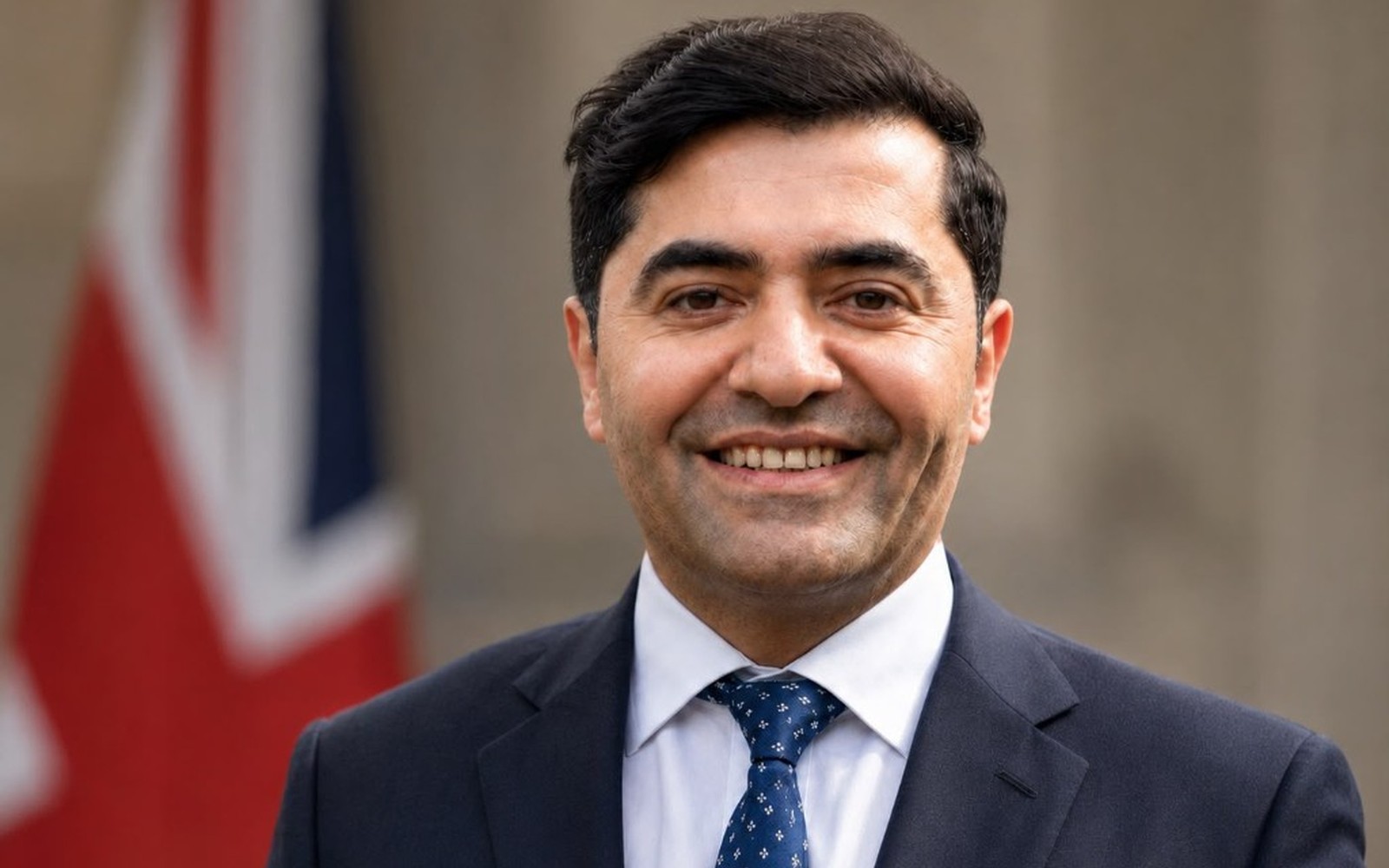
The development has been welcomed by Europe Minister Stewart Wood, who credited an initiative begun by Foreign Secretary Yvette Cooper with helping authorities target the network.
Writing on X, Wood said:
“Thanks to an initiative begun by Foreign Secretary Yvette Cooper, UK targeted sanctions against people-traffickers led to the arrest of a Kosovan network manufacturing counterfeit documents for migrants aiming to enter the UK illegally.
“They will now face justice for their actions.”
The network is accused of operating a sophisticated counterfeiting operation producing fake identity documents, passports and driving licences for people seeking to enter the UK and other countries illegally.
According to The Times, the operation enabled people to claim nationalities from more than 50 countries, including the UK, with the forged documents believed to have been used by thousands of people travelling across Europe.
The suspects include Flamur Krasniqi, an alleged member of the group accused of possessing forged documents, and Valon Krasniqi, who is alleged to have been involved in producing forged documents.
Others named in connection with the investigation include Arif Krasniqi, accused of acting as an intermediary sourcing clients for the network; Nexhmije Selmani, accused of providing premises used by the group; Shkembim Ermellahu, accused of possessing forged documents; and Sami Duriqi, accused of involvement in their production.
The arrests follow the UK’s decision to target the network under its irregular migration sanctions regime.
The measures allow the Government to freeze the assets of named traffickers and those who provide them with equipment or financial assistance. Those sanctioned can also be banned from travelling to the UK.
Cooper announced last year that Britain would work with countries in the Balkans to tackle organised people-smuggling networks.
Wood said the latest operation demonstrated the value of international cooperation in disrupting criminal organisations involved in illegal migration.
“The Krasniqi Gang assumed they could lurk in the shadows and profit from the desperation of vulnerable people with impunity – they will now face justice for their actions,” he said.
“The UK’s work with Kosovo is an example of how our partnerships abroad make us stronger at home.”
The arrests represent an early example of the Government using targeted sanctions alongside international law-enforcement cooperation to disrupt the financial and operational networks behind people-smuggling routes into Britain.