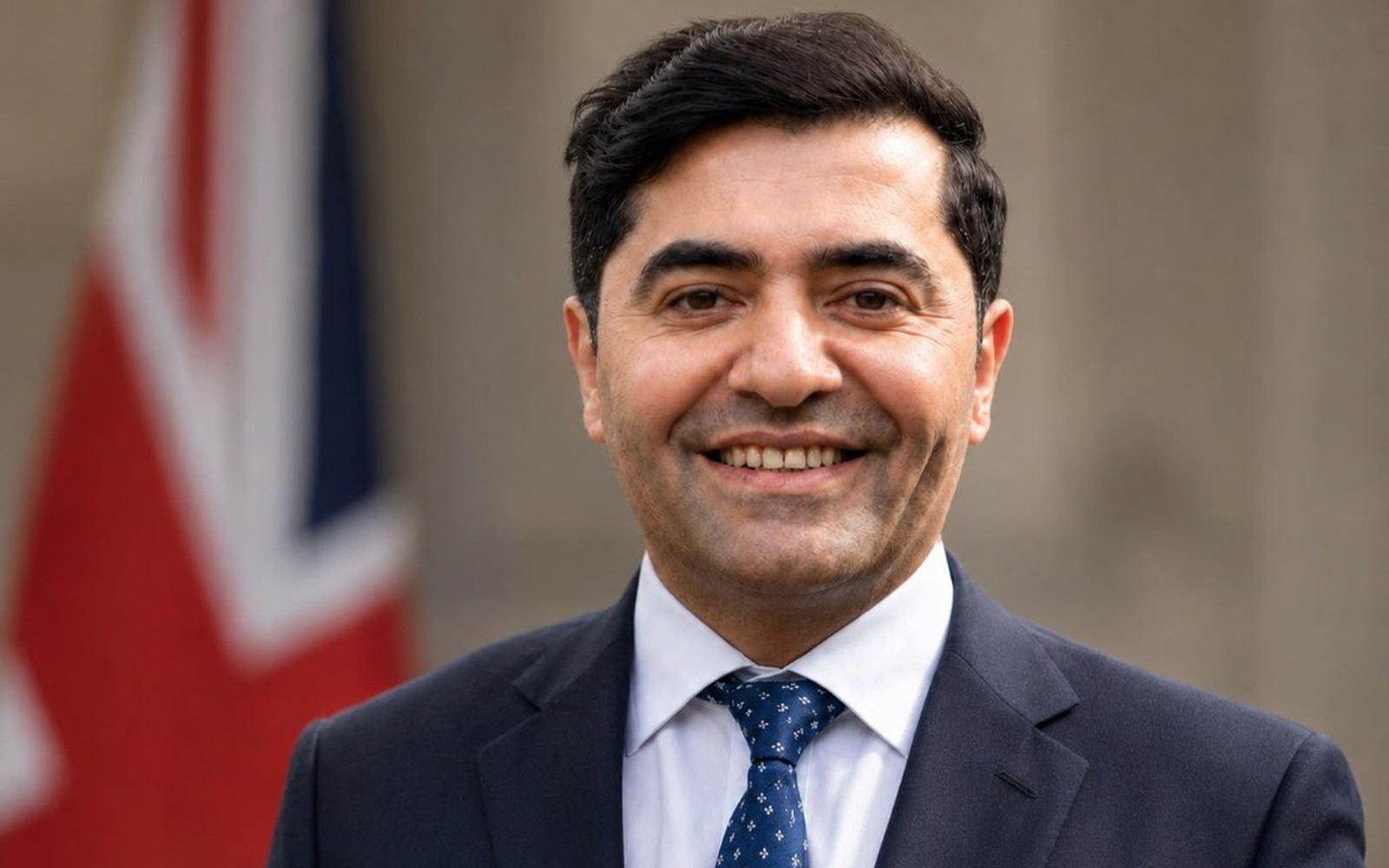
Labour MP Patrick Hurley has called for a tougher national approach to organised criminal gangs operating through high street shops, warning that closing rogue businesses achieves little if the same people can simply reopen down the road under a new company name.

The MP for Southport and the Northern Parishes has tabled five parliamentary questions to the Home Office and the Ministry of Housing, Communities and Local Government, following the first meeting of the All-Party Parliamentary Group (APPG) for Town Centres since he became its chair.
The cross-party session brought parliamentarians and policy experts together to look at organised crime hiding behind apparently legitimate high street fronts, from illicit tobacco and vape shops to counterfeit goods outlets and other premises linked to criminal activity.
Members heard how such operations undercut honest traders, distort the commercial property market and erode public confidence in town centres. The group also examined enforcement work that has delivered results, including Operation Tetbury in Rochdale, which paired targeted action against offenders with intelligence gathering and support for local businesses.
Patrick Hurley: 'Criminal whack-a-mole'
"We need to get much smarter about how we tackle this," Patrick Hurley said. "There's little point shutting down a criminal operation on one street if the same people can simply open up somewhere else a few weeks later under a different company name. That's criminal whack-a-mole, not a serious long-term solution."
He warned that the damage goes beyond the shops themselves. "Criminal money is being used to pay inflated rents and legitimate businesses can find themselves priced out of their own town centres. That's bad for traders, bad for shoppers and bad for the future of our high streets."
Five questions for ministers
The questions ask whether organised groups simply move to new premises once closure orders are enforced, and whether current powers are strong enough to deal with repeat offenders who keep setting up illicit businesses under different company identities.
Patrick Hurley has also asked how police and enforcement agencies can work with council regeneration programmes to bring former criminal premises back into legitimate use, whether money laundering and illicit trading are pushing up commercial rents and squeezing out honest businesses, and whether reforms to commercial tenancy registration and landlord transparency could stop criminals exploiting high street properties.
'Our high streets should belong to the communities they serve'
The Southport MP said residents and businesses in his constituency had raised real concerns about anti-social behaviour in the town centre. Local measures such as Public Space Protection Orders had been introduced, but he wanted the APPG's first meeting to look at what more could be done nationally through legislation and prevention.
"Organised criminals should not be allowed to turn our high streets into a front for illegal activity, and honest businesses should not have to compete with people who are breaking the law," he said. "We need to follow the money, identify the people behind these operations and make sure that when criminal businesses are closed, the premises can be returned to honest commercial use."
"I want to know whether the law is strong enough, whether enforcement agencies have the right tools and whether we're doing enough to stop criminals simply moving from one premises to another. Our high streets should belong to the communities they serve, not the criminal gangs who exploit them."
The meeting was the first in a programme of sessions under Patrick Hurley's chairmanship. Future meetings will look at business rates, fragmented commercial property ownership and absentee landlords, as the group works up practical proposals to help regenerate town centres across the country.