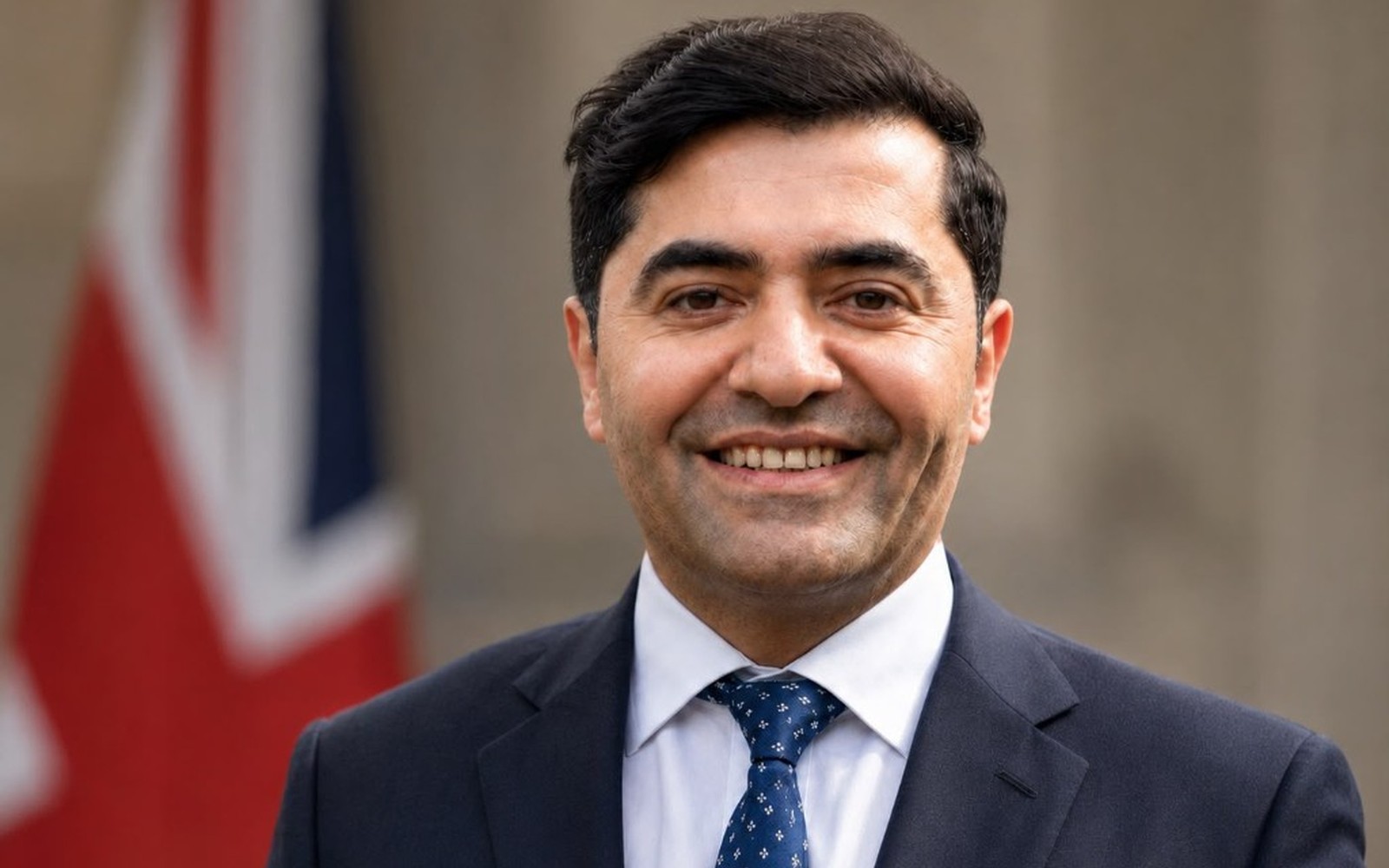
Building Safety Minister Baroness Blake of Leeds has appointed Professor Sergio Cavalaro as the government’s new Chief Construction and Scientific Adviser, as the Building Safety Levy, expected to raise around £3.4 billion over the next decade to make buildings safe, comes into force.

Cavalaro, Professor of Infrastructure Systems at Loughborough University’s School of Architecture, Building and Civil Engineering, will serve a full-time, three-year term at the Ministry of Housing, Communities and Local Government. The role, one of the Grenfell Tower Inquiry recommendations now being implemented, will provide independent construction, engineering and scientific advice on the safety, quality and resilience of buildings.
Blake: ‘Protecting residents from costs remains our priority’
“Delivering safer buildings and protecting residents from costs remains our priority as we drive forward our building safety reforms, and the Building Safety Levy is a key part of that mission,” Blake said.
“Sergio will play a vital role in shaping our reforms to ensure safety, robust regulation and high standards are at the core of the built environment sector.”
Cavalaro, a civil engineer who played a central role in the structural evaluation of reinforced autoclaved aerated concrete (RAAC), said he would provide “independent advice and constructive challenge” and work closely with the Building Safety Regulator. He takes over from interim Chief Construction Adviser Thouria Istephan over the coming month.
Making the industry pay
The Building Safety Levy, which came into force on 1 October, applies to new building control applications for eligible residential developments of more than 10 units and for purpose-built student accommodation. The money will help remove dangerous cladding and fix other safety defects, so that the industry contributes rather than leaseholders and taxpayers footing the bill.
The Grenfell Tower fire in 2017 took 72 lives and exposed profound failings in building safety. Ministers say the new adviser will act as a bridge between government, regulators, industry, academia and residents as the remaining Inquiry recommendations are delivered.