
Britain has developed an economic habit that almost everyone recognises but too few politicians talk about. Once prices go up, they rarely come back down. Energy bills rise. Food becomes more expensive. Bus fares increase. Insurance premiums climb. Rent goes up. The cost of employing people grows. Yet wages, confidence and opportunity struggle to keep pace.
It is this permanent "cost ratchet"—rather than any single tax or one-off bill—that is leaving families feeling poorer and making many small businesses question whether it is still worth investing.
Prosperity cannot return while the cost of living only ever moves in one direction.
As a Labour councillor, I hear the human impact of this every week. A single mother choosing between heating her children's bedrooms and putting food on the table. A local café owner watching energy bills, rent, wages, transport costs and business rates eat away at already tight margins until staying open feels like an impossible challenge.
These conversations reveal a deeper truth. The challenge facing Britain is no longer simply inflation. It is that many of the costs that rose sharply over recent years have become permanently embedded into everyday life. Once they increase, they rarely return to previous levels. Families adjust by cutting back, while businesses delay investment, postpone recruitment or simply close their doors.
That is why Andy Burnham's commitment to making everyday life more affordable deserves serious attention. By signalling that tackling energy costs, public transport and the burden of student debt would be among his early priorities, he is focusing on the pressures people experience every single day. At its heart, this is not simply about reducing bills—it is about restoring confidence, opportunity and fairness.
Fairness has always been central to Labour's mission. It means ensuring that those who work hard, contribute to their communities and take entrepreneurial risks are not left carrying the greatest burden while the system protects those best able to absorb rising costs. Burnham's record in Greater Manchester demonstrates a practical, results-driven approach to improving people's lives, and that experience provides a strong foundation for national leadership.
Energy costs remain one of the biggest concerns for households and small businesses alike. For many families, heating a home has become a financial worry rather than a basic necessity. For independent shops, cafés, restaurants and manufacturers, high energy bills reduce investment, threaten jobs and, in some cases, force businesses to close altogether.
A fairer approach would recognise that the transition to net zero must not place a disproportionate burden on households and smaller businesses. Greater investment in energy efficiency for homes and SMEs, alongside a fairer distribution of environmental costs, would help lower bills while supporting Britain's long-term climate ambitions. The transition to a greener economy should bring people with it—not leave them behind.
Affordable public transport is equally important. High bus fares restrict opportunity, reduce access to work and education, and increase costs for employers whose staff rely on public transport. Burnham has already demonstrated in Greater Manchester that better integrated transport can make a real difference. Extending affordable fares, integrated ticketing and targeted support for young people, jobseekers and older residents would strengthen local economies while easing pressure on household finances.
Student loans present another opportunity to restore fairness between generations. Many graduates begin their working lives carrying significant debt while facing soaring housing costs and limited disposable incomes. Raising repayment thresholds, reducing punitive interest during periods of economic hardship and encouraging graduates into public service or entrepreneurship would not simply help individuals—it would strengthen the wider economy by giving young people greater confidence to spend, save, buy homes and build businesses.
Growth depends on confidence. Families need confidence to spend. Businesses need confidence to invest. Young people need confidence that hard work will improve their future. When every month brings another unavoidable cost, confidence disappears.
Of course, lasting reform must be delivered responsibly. Any government must work within clear fiscal rules and ensure that spending commitments are properly funded. But there are practical measures that can provide immediate relief. Reforming business rates for high street firms, supporting pubs, clubs, music venues and the wider hospitality sector, tackling waste in public spending and ensuring that everyone—including those with the broadest shoulders—pays their fair share would help create the fiscal space for meaningful change.
There is also a broader principle that should guide policymaking. At a time when families and small businesses are already under immense financial pressure, government should think carefully before introducing new measures that increase the cost of living or the cost of doing business. Ambitious reforms remain essential, but wherever possible they should be introduced in a way that reflects economic conditions. If growth is weak and confidence is fragile, adding further financial burdens risks making everyday life even harder. Delaying or phasing in measures that would increase costs until the economy shows stronger, sustained growth is not about abandoning reform—it is about getting the timing right. If our priority is reducing the cost of living and rebuilding business confidence, the least we can do is avoid adding to the squeeze while people are still struggling.
Small businesses are not asking for special treatment. They simply need the confidence that if they work harder, invest more and employ more people, government will not immediately take back those gains through ever-rising costs. Britain cannot become the best place to start a business if it is becoming one of the hardest places in which to keep one open.
Families don't need more promises. They need fewer bills.
Labour has always been at its best when it has combined economic responsibility with social justice. That means not only protecting people from hardship but creating the conditions in which work pays, businesses thrive and every generation can expect a better future than the one before. Economic competence and social justice are not competing priorities—they are two sides of the same mission.
The real challenge facing Britain is not simply reducing one bill or another. It is ending the belief that life will always become more expensive while opportunity becomes harder to reach. That is the cycle we must break. If Andy Burnham can lead a government that restores affordability, rewards enterprise and rebuilds confidence, he will have done more than lower the cost of living. He will have restored something even more valuable: the belief that the next generation can enjoy a better standard of living than the last.
That has always been Labour's greatest promise—and it should be again.
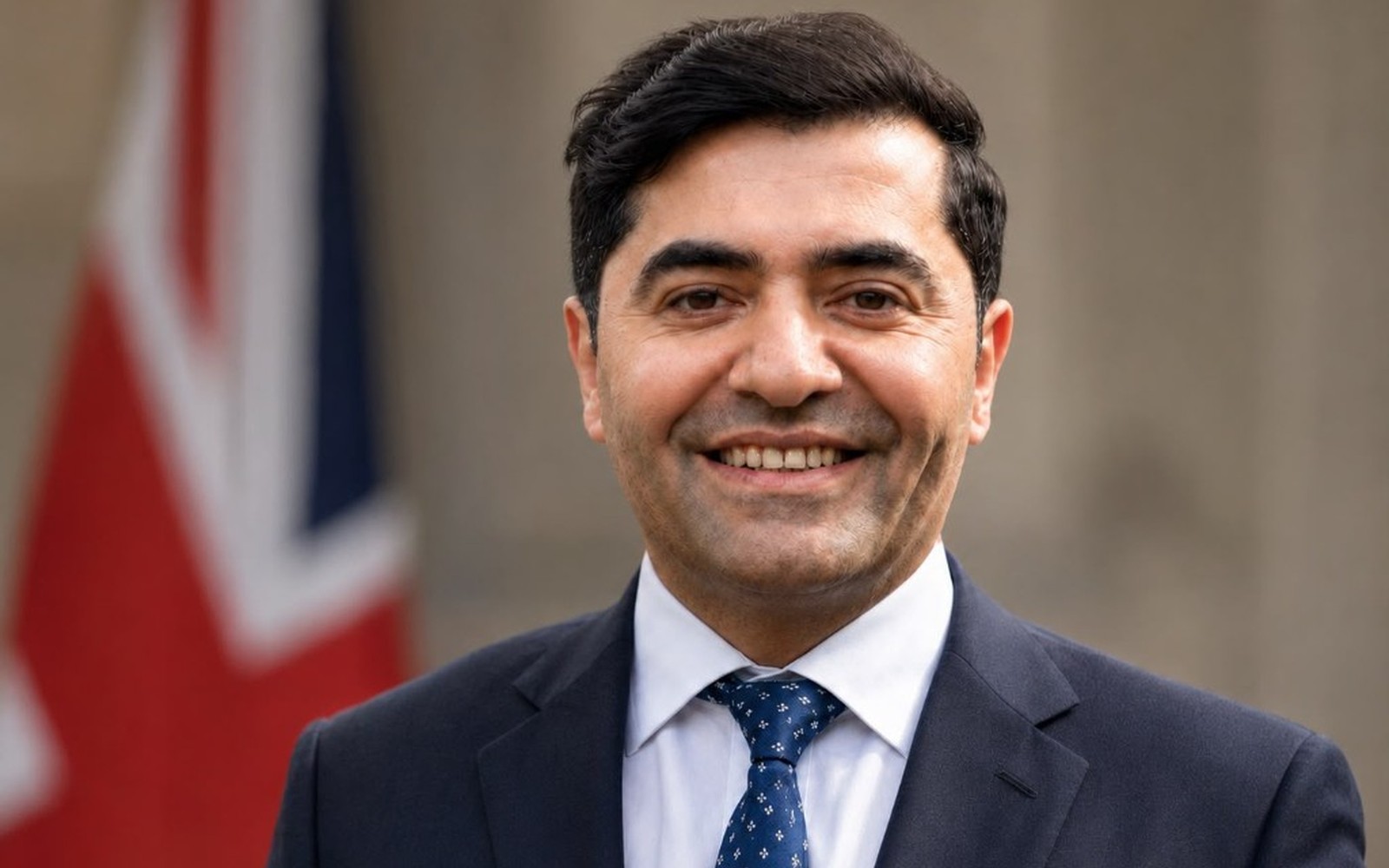
Ibrahim Dogus is Director of CEFTUS.org, former Parliamentary candidate, Director of Labour Home, chair of SME4Labour and Councillor in Lambeth.