NEW ANALYSIS: Labour’s Under 16s Social Media Ban to protect 67,100 Bristol teenagers in next decade
New figures from Bristol reveal that Labour’s decision to protect children from the harms of social media – set to be introduced in Spring - will protect the childhoods of 67,100 individual Bristol 13-15 year olds over the next ten years.
Children all over the UK will be given back their childhoods thanks to government action to ban social media platforms from offering services to under-16s, with less time for scrolling and more time for play.
The plans will set a new normal for future generations, kickstarting a cultural shift and driving forward the government’s fight to give every child the best start in life. The government plans to use the same model for a social media ban as Australia. This would capture user-to-user platforms, whose purpose is to enable social interaction and which allow users to post material, alongside algorithms. The ban will therefore include platforms like Snapchat, TikTok, YouTube, Instagram, Facebook and X.
In a move to protect children online and address the scale of the challenge, the government will also go further than a blanket ban on social media with world-leading blocks on harmful functions such as livestreaming and stranger communication with children for under-16s. These restrictions – which together with the ban go further than any other country – will apply to a wider range of online services, including on gaming sites.
Restrictions on these functionalities will also be on by default for 16- and 17-year-olds to prevent a cliff-edge at 16. The government will also be looking in more detail at overnight curfews and breaks in infinite scrolling for under-18-year-olds and will set out more detail in July.
So-called AI ‘romantic companion’ chatbots – designed to simulate sexual relationships or roleplay with users – will have to enforce a minimum age of 18. Similar intimate functionalities will be restricted for under-18s on AI chatbots more widely.
Taken together, these measures will mean a much more comprehensive model than just a blanket ban on social media — one that responds to how children experience harm online, rather than just where it happens.
The changes will back parents grappling with the risks for children that come from the online world and help empower them by providing a clear decision on what is safe and age-appropriate for children.
This is a decisive first step by the government which marks a clear choice to put children’s wellbeing first and give them a healthy life online. We stand ready to take further measures in the future.
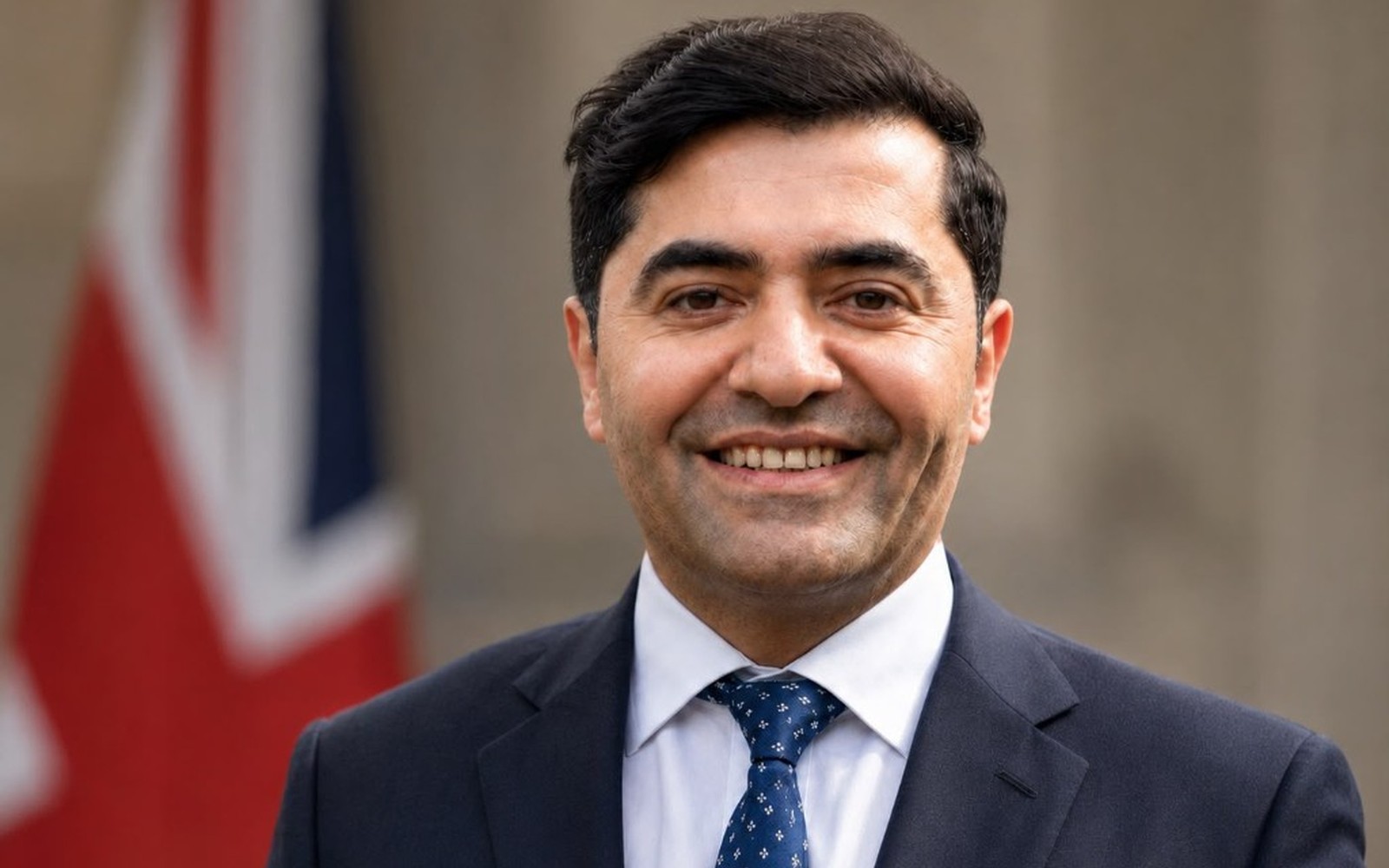
Councillor Tom Renhard, Leader of Bristol Labour, said:
“Parents in Bristol know all about the dangers of social media and they want their children protected – and that’s exactly what this Labour Government will do.
“Nine out of ten parents back a ban on harmful social media for under 16s, and Labour will go further than any other country to protect our kids. No dangerous user to user platforms, no stranger communication, no harmful algorithms, no romantic companion chatbots. That’s the change parents want to see and that is the change Labour is delivering.”
###
The ban, set to come into force in spring, will cover user-to-user platforms designed to enable social interaction — including Snapchat, TikTok, YouTube, Instagram, Facebook and X. But the Government is going further than a blanket age restriction alone, introducing world-leading blocks on harmful functions including livestreaming and stranger communication with children under 16, extending to gaming sites. Taken together, the measures go further than any other country has so far been prepared to go.
The protections do not stop at 16. Restrictions on harmful functionalities will be switched on by default for 16 and 17-year-olds, preventing a cliff-edge at the point the ban lifts. The Government is also examining overnight curfews and breaks in infinite scrolling for under-18s, with further detail due in July. So-called AI romantic companion chatbots — designed to simulate sexual relationships or roleplay — will be required to enforce a minimum age of 18, with similar intimate functionalities restricted for under-18s on AI chatbots more broadly.
The result is not simply a social media ban but a comprehensive framework that responds to how children actually experience harm online, rather than just where it happens.
Councillor Tom Renhard, Leader of Bristol Labour, welcomed the announcement, noting that nine in ten parents back a ban on harmful social media for under-16s. He said the Government would deliver no dangerous user-to-user platforms, no stranger communication, no harmful algorithms and no romantic companion chatbots — exactly the change Bristol parents want to see.
For the Government, the framing is clear: this is a decisive first step in putting children's wellbeing first, with further measures on the table if needed. Millions of children across the country — including tens of thousands in Bristol — will have more time for play, and less for scrolling.