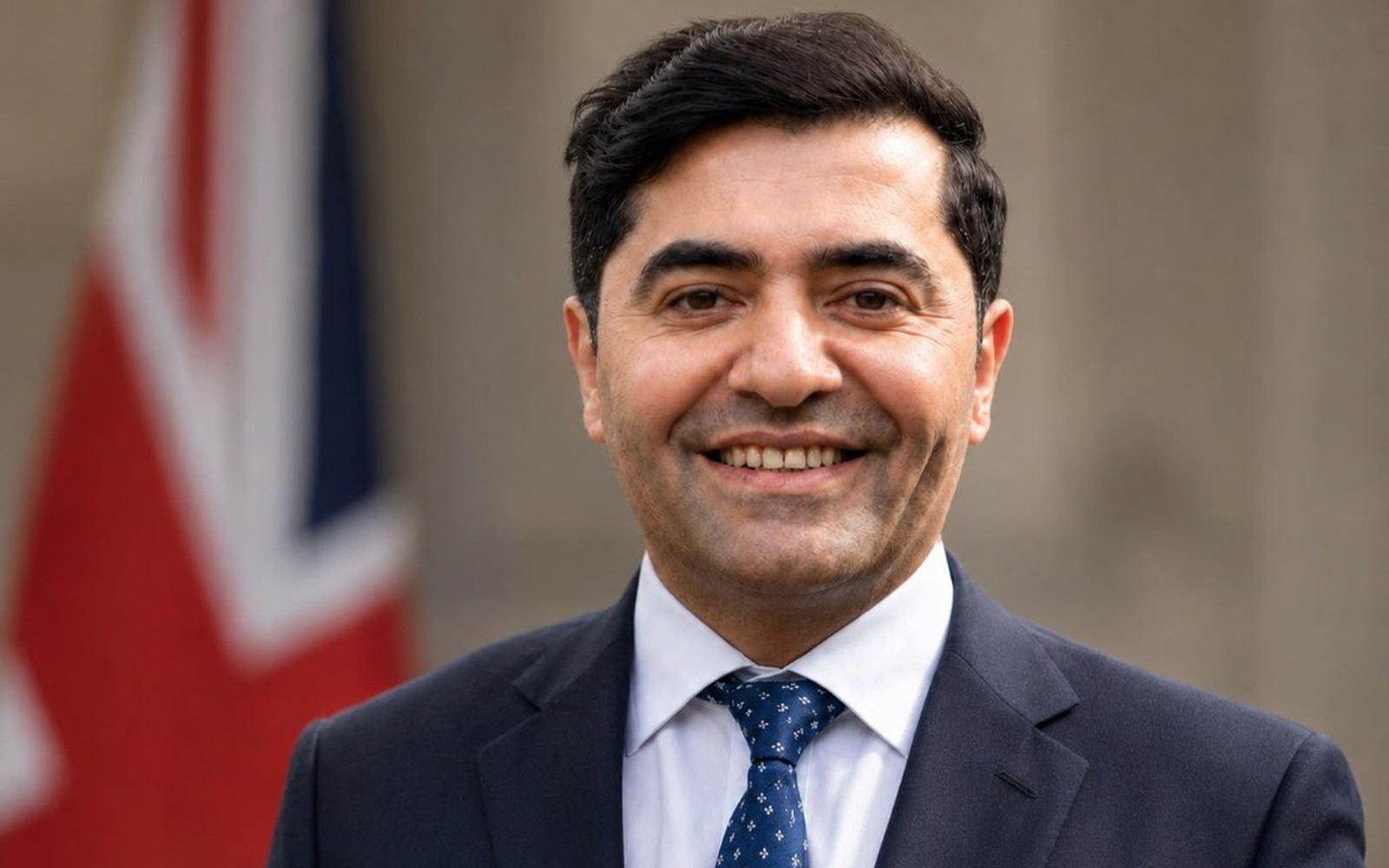
TUC General Secretary Paul Nowak has called on Prime Minister Andy Burnham’s Government to introduce a new youth employment allowance, arguing that financial support for young people from working-class families could help widen opportunity and keep more teenagers in education and training.

Nowak said the abolition of the Education Maintenance Allowance in England under George Osborne had been a major setback for young people from lower-income households. Speaking to the Mirror, he said:
“George Osborne axed the EMA as part of his austerity programme.”
“Scrapping it was a hammer blow to working class kids wanting to go to college.”
Nowak argued that a new allowance would send a clear signal that Labour was committed to “working class families and opportunity for all”.
What happened to the EMA?
The Education Maintenance Allowance provided means-tested financial support to 16 to 19-year-olds who remained in education after compulsory schooling.
It was abolished in England in 2011 by the Conservative-led government and replaced by the more targeted 16 to 19 Bursary Fund. EMA schemes continue to operate in Scotland, Wales and Northern Ireland.
In Scotland, for example, eligible young people can still receive £30 a week while studying, subject to conditions including attendance.
Nowak’s intervention is therefore effectively a call for England to restore a more direct form of financial support for young people who might otherwise struggle to afford to remain in education.
Youth unemployment remains a major challenge
The proposal comes as Labour places increasing emphasis on tackling youth unemployment and economic inactivity.
Recent TUC analysis put youth unemployment at 14.6%, underlining the scale of the challenge facing younger workers.
The Government has already launched a series of measures aimed at helping young people into work, including a partnership with major retailers intended to create 100,000 jobs for unemployed 18 to 24-year-olds by 2029.
Burnham has also announced major reforms to technical education, giving 14-year-olds greater access to vocational training, work experience and stronger links with employers, as Education Secretary Lucy Powell set out this week.
Building on Labour’s Youth Guarantee
Nowak’s proposal would complement those employment reforms by focusing on young people who need financial support to stay in education in the first place.
The argument is that access to college should not depend on whether a family can afford transport, meals, equipment and other costs associated with further education.
Supporters of an allowance say targeted payments could help reduce the pressure on teenagers to leave education early for low-paid work and could improve access to apprenticeships, vocational qualifications and higher-skilled careers.
There are already examples of similar support being restored locally. Tower Hamlets Council has reintroduced an Education Maintenance Allowance alongside grants for college and university students.
Nowak presses Labour on opportunity
The TUC leader’s intervention comes ahead of Congress and forms part of a broader push for Labour to go further on living standards, workers’ rights and economic opportunity.
Nowak has welcomed elements of the Government’s youth employment agenda but has repeatedly argued that Labour should be more ambitious in supporting working people and families.
His proposed youth employment allowance fits closely with Burnham’s stated ambition to ensure young people have a genuine route into education, skills or decent work.
The political choice for Labour is whether to go further by restoring direct financial support for young people who want to stay in education — with Nowak arguing that doing so would demonstrate that opportunity should depend on talent and ambition, not family income.