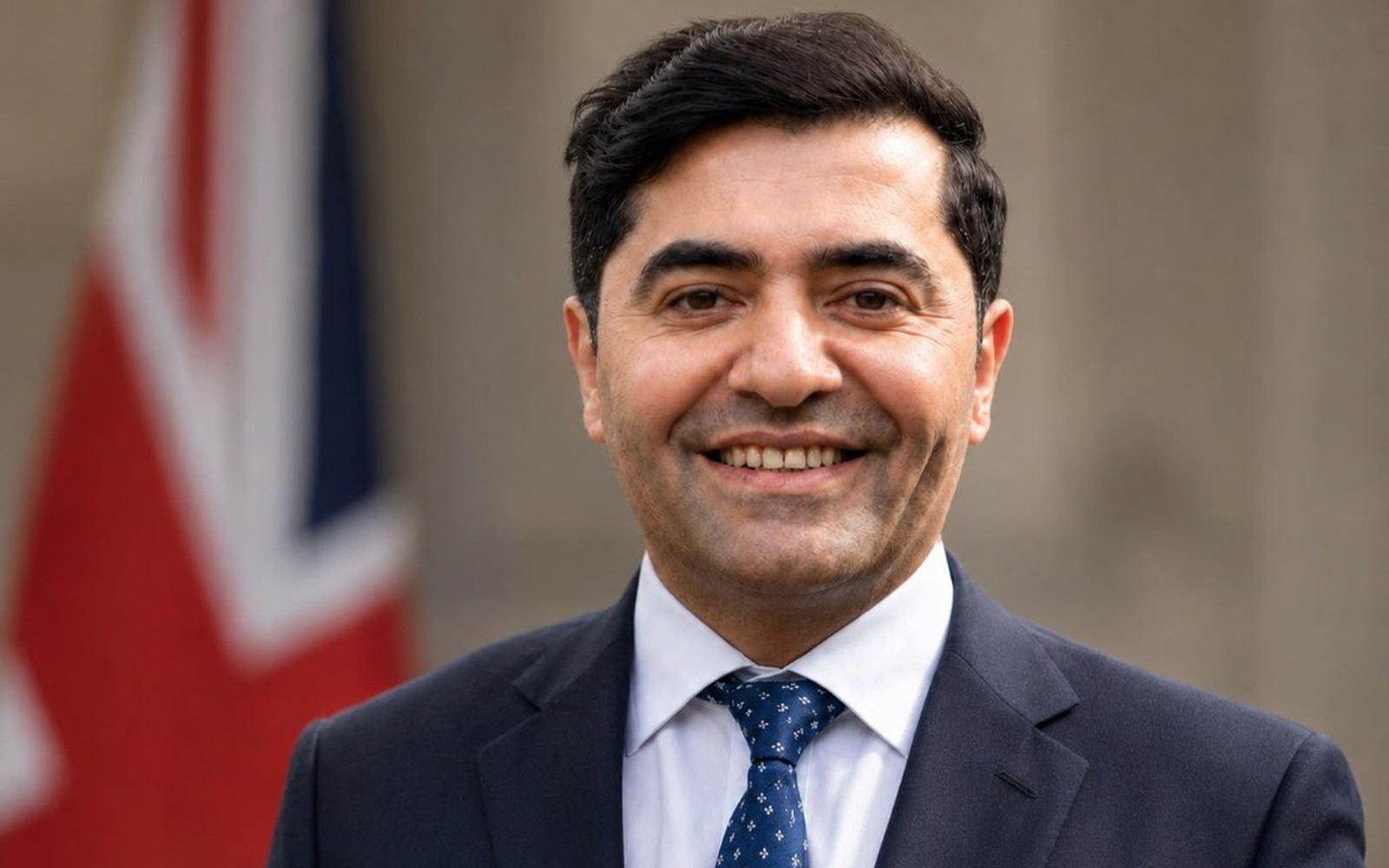
Former Labour leader Lord Neil Kinnock has backed calls for compulsory voting in the UK, arguing that falling turnout can distort election results, weaken accountability and deepen disengagement from democratic life.

The intervention comes as peers prepare to consider an amendment to the Representation of the People Bill that would make voting a legal duty for eligible citizens, subject to exemptions. The Bill is currently progressing through the House of Lords after completing its Commons stages.
Kinnock said his experience of living in Belgium, where voting is compulsory, had strengthened his support for reform.
He said:
I lived for 10 years in Belgium and saw compulsory voting in practice.
He argued that high turnout and widespread participation there had strengthened democracy, particularly in a country with complex political and community divisions.
'Low turnout distorts results'
Kinnock said declining turnout had consequences beyond simply reducing the number of people voting.
He warned that when turnout falls, election results can become less representative, accountability can weaken and disengagement from democratic obligations can become more entrenched.
The proposal is being backed by several senior Labour peers, including Lord David Blunkett, Baroness Jan Royall and Lord George Foulkes. Foulkes has already raised the issue in the Lords and confirmed that an amendment would be brought forward during consideration of the Bill.
What would the amendment do?
According to reporting on the proposal, the amendment would apply to eligible voters while providing exemptions for circumstances including disability, illness or being overseas. It is also expected to allow people to register an abstention, rather than requiring them to support a candidate.
Supporters have pointed to countries such as Belgium and Australia, where compulsory voting has produced consistently high turnout.
Australia's 2025 federal election recorded turnout of around 91%, compared with about 60% at the 2024 UK general election.
Government remains cautious
The Government has so far stopped short of backing compulsory voting.
Baroness Taylor of Stevenage told peers earlier this month that ministers were focused on removing barriers to participation, including improving voter registration and making it easier for eligible people to vote. She said the Government had no current plans to pilot compulsory voting.
The Representation of the People Bill already includes major reforms such as extending the parliamentary franchise to 16- and 17-year-olds, changes to voter registration and tighter rules around political finance.
Debate over civic duty and personal choice
Supporters of compulsory voting argue that elections should reflect the whole electorate rather than the people most likely to turn out.
Critics, however, argue that citizens should retain the right not to vote and that forcing participation does not necessarily mean voters will be better informed or more engaged.
Kinnock's intervention ensures that the issue will have heavyweight Labour support when peers debate the Bill further.
The central question now is whether Parliament should continue relying on voluntary participation, or treat voting as a civic obligation similar to jury service - while preserving the right to cast a blank ballot or formally abstain.