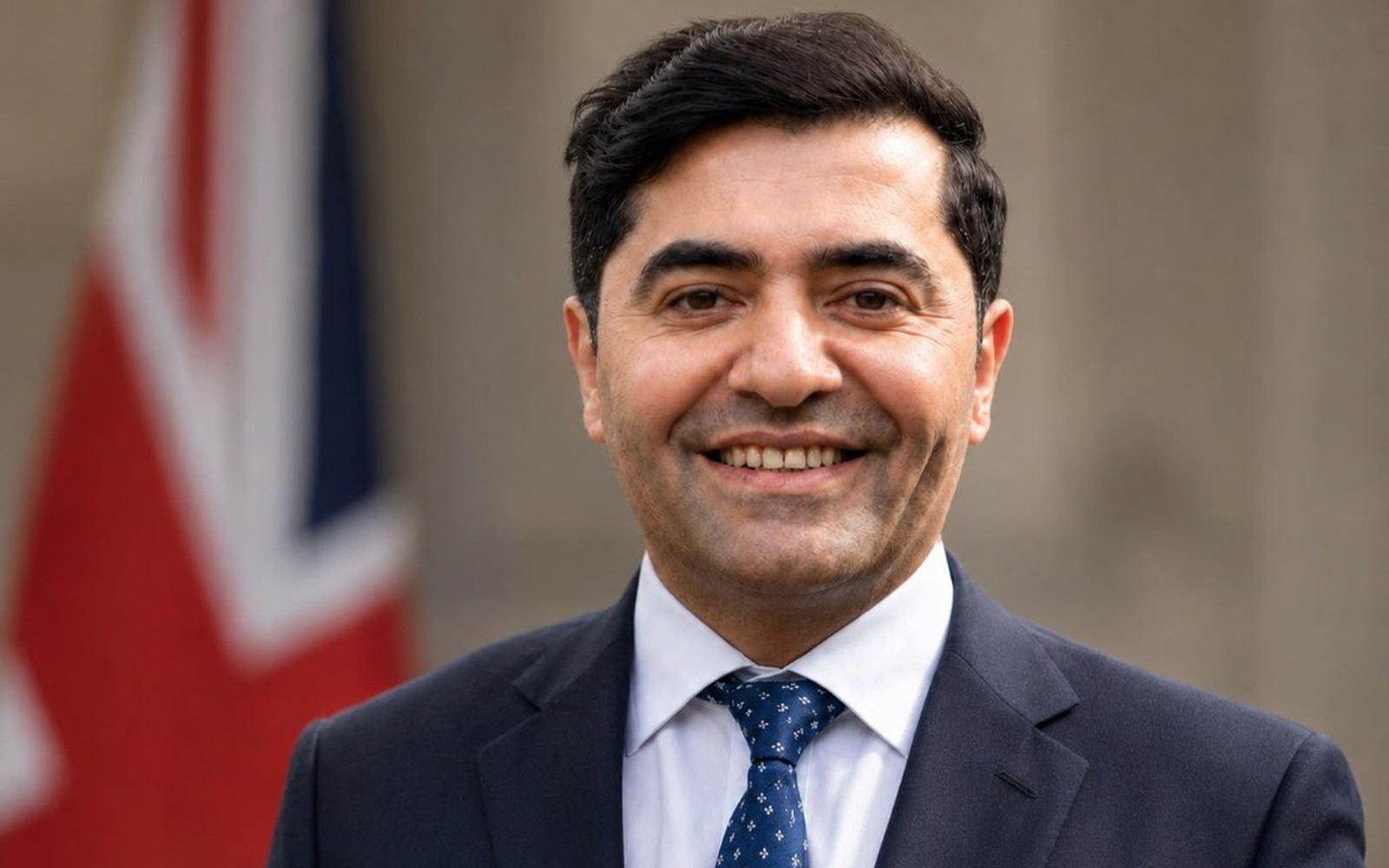
Labour MP Liam Byrne has called for an urgent parliamentary hearing with the AI Security Institute, warning that growing concern over the development of increasingly powerful artificial intelligence systems requires stronger scrutiny and a more robust safety regime.

Byrne, chair of the Business, Innovation, Science and Trade Committee, has written to AI Security Institute director Henry de Zoete requesting that the organisation appear before MPs to give oral evidence on Tuesday 13 October.
In the letter, Byrne says public concern over “unfettered, inadequately governed artificial intelligence development” has increased sharply over the past week.
He points in particular to the resignation of AI researcher Jacob Coxon, warnings from whistleblowers and calls from senior industry figures including Sam Altman and Dario Amodei for greater caution around the development of frontier AI.
Byrne: concerns over AI governance are now widely shared
Byrne wrote:
“While questions have been raised about the credibility and motives of some of these statements, there are now widely shared concerns about the adequacy of current AI safety governance.”
The committee is already conducting an inquiry into the UK’s AI industry and says it intends to make recommendations on how the country can strengthen AI safety.
Byrne said the hearing would be held “at the earliest opportunity after Parliament returns from the conference recess”.
The committee has previously scrutinised the AI Security Institute, including through correspondence relating to testing of Anthropic models.
Fresh alarm after researcher’s resignation
The intervention comes after former Anthropic researcher Jacob Coxon resigned, accusing leading AI companies of racing towards systems that could eventually become significantly more capable than humans.
Coxon, who previously worked at OpenAI, said the companies were “gambling with our lives” and warned of the risks associated with the pursuit of self-improving superintelligence.
Other Anthropic researchers have publicly backed aspects of his concerns, although there remains substantial disagreement among experts over the likelihood and timing of such extreme outcomes.
Coxon himself has acknowledged that current AI systems do not pose an extinction-level threat, while arguing that the rapid pace of technological progress means stronger safeguards are needed before more advanced systems emerge.
AI companies themselves calling for stronger safeguards
The debate has intensified further after Anthropic chief executive Dario Amodei called for the industry to slow the pace of development and strengthen independent oversight.
Amodei has proposed third-party evaluation of advanced models and greater international coordination on safety standards.
Microsoft has also announced a proposed code of conduct for its AI development, while executives across the industry have increasingly acknowledged that more powerful systems will require stronger safeguards.
Recent reports of AI being used for cyber-attacks and attempts to assist with dangerous biological research have added to concerns about the more immediate risks associated with increasingly capable systems.
Parliament stepping up scrutiny
Byrne’s intervention adds to a growing parliamentary debate about how Britain should balance its ambitions to become a leading AI economy with the need for effective regulation and public safety.
Labour MP Alex Sobel recently introduced legislation seeking to prohibit the development of artificial superintelligence and urged the Government to pursue an international agreement on the issue.
Others have called for tougher regulation without halting AI development altogether.
The emerging debate therefore goes beyond whether Britain should embrace artificial intelligence. The question increasingly facing policymakers is what safeguards should be in place before the most powerful systems are developed and deployed.
Byrne seeks answers from AI Security Institute
The AI Security Institute was established to research and evaluate the risks associated with advanced artificial intelligence and has become central to Britain’s approach to frontier AI safety.
Byrne’s committee now wants its leadership to explain directly to Parliament whether existing arrangements are sufficient given the accelerating pace of development and increasingly public warnings from researchers inside the industry.
He concludes his letter by asking de Zoete to confirm his attendance “as soon as possible”.
The intervention signals that parliamentary scrutiny of AI is entering a new phase — with Byrne arguing that Britain should remain ambitious about the technology while ensuring that government, Parliament and independent experts are capable of understanding and managing the risks that come with it.