Healthy Babies services are to reach up to 1,000 Best Start Family Hubs over two years, but the commitment is not a full return to the former Sure Start system.
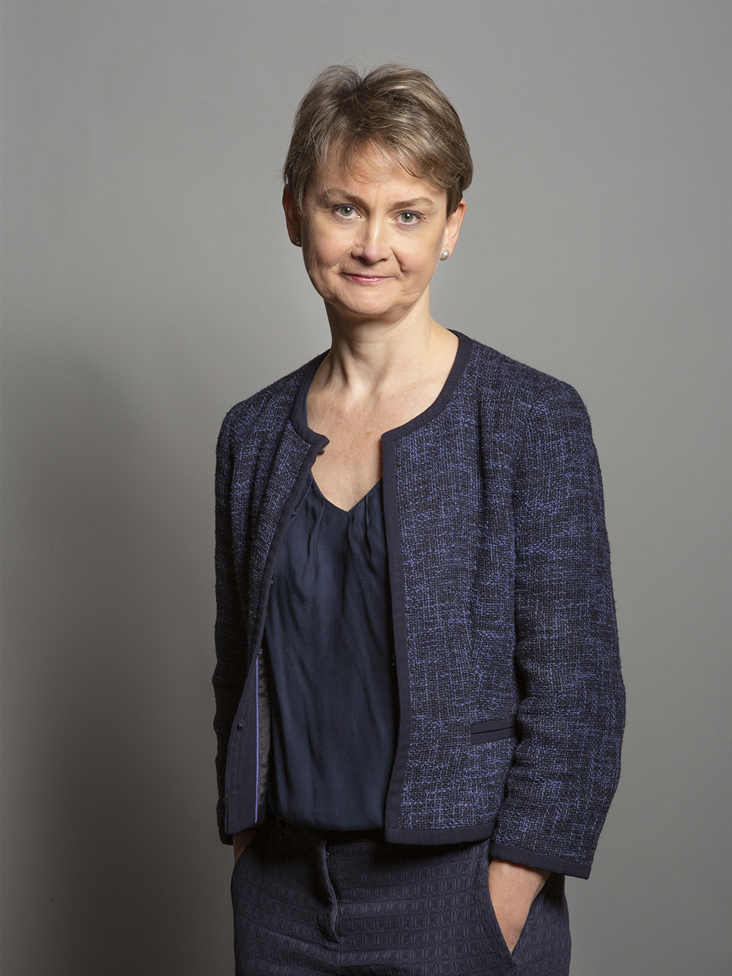
Yvette Cooper has told former Conservative chancellor George Osborne that "Sure Start's back", announcing plans to extend health support for babies and parents across England's developing family-hub network.
Speaking at Labour's conference in Liverpool on Wednesday, the Health Secretary said services including mental-health support for parents and help with infant feeding and bonding would be brought into family centres, reaching up to 1,000 hubs over the next two years.
Cooper directed her closing line at Osborne, whose time as chancellor coincided with a steep fall in Sure Start spending. House of Commons Library research says real-terms spending on Sure Start was around 69% lower in 2018–19 than in 2010–11. It also records a decline in the number of centres, while noting debate about how that fall should be measured.
Labour is building on the existing Best Start Family Hubs programme. The previous Family Hubs and Start for Life programme funded enhanced provision in 75 local-authority areas; Cooper's announcement would extend Healthy Babies support more widely. It does not mean every service offered by the old Sure Start system is being recreated.
The distinction matters. England had around 3,600 Sure Start centres in 2010–11, according to the Commons Library. The planned network of up to 1,000 family hubs is smaller and operates under a different model.
Evidence for integrated early-years support is strong. Institute for Fiscal Studies research found that Sure Start improved a range of health and educational outcomes. Its central estimate suggested long-term benefits to individuals and the public purse worth roughly twice the programme's upfront cost, while cautioning that projecting lifetime financial returns involves considerable uncertainty. That finding evaluates the earlier Sure Start programme; it is not a forecast of the precise returns from the new hubs.
In the same speech, Cooper also announced plans for a national collective pension scheme for care-sector workers, alongside a legally binding fair-pay agreement, a workforce plan and a champion for unpaid carers. Details of how those measures will operate have yet to be set out.