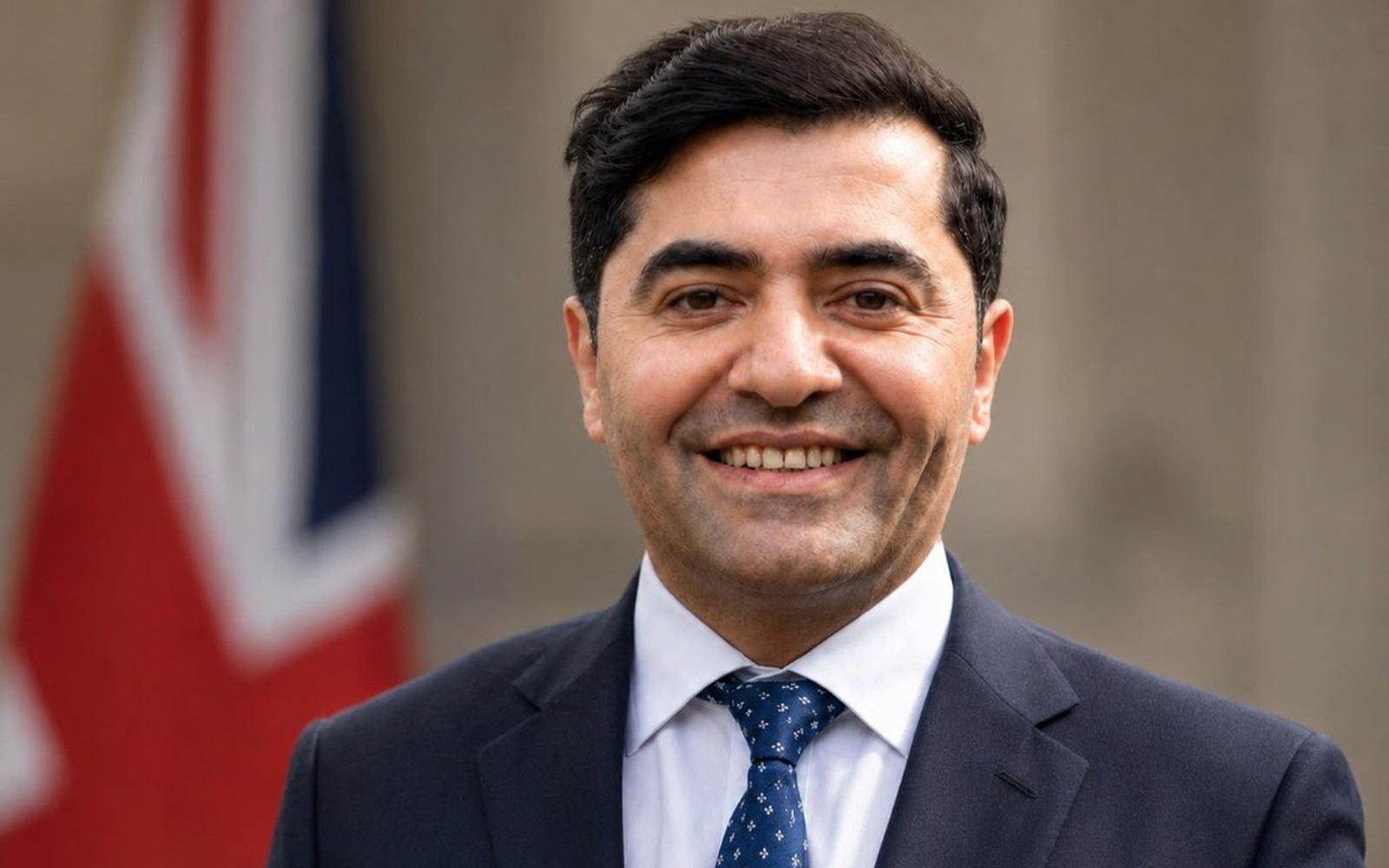
The Prime Minister said Brexit had harmed growth and confirmed that options for Britain's long-term relationship with the EU could include rejoining.

Prime Minister Andy Burnham has said Britain would be better off closer to Europe, as his government prepares to examine options for the UK's long-term relationship with the European Union.
Speaking to ITV News after Labour's conference, Burnham said it was difficult to see how Britain could return to stronger growth while remaining distant from its largest market.
"I think we have seen growth harmed by Brexit and it's hard to see how we can get back to the higher levels of growth we once had by staying too distant from our largest market," he said.
"I look at the world as it is, with all of the threats that we see around the world. I think it is better to be closer now, that's my personal view."
Burnham has identified several possibilities for consideration, from keeping the present arrangements to joining a customs union or the single market, or seeking full EU membership. He has not chosen a preferred model or announced a policy to rejoin. He said he expected to set out the options around the planned UK-EU summit in November.
The comments develop the argument Burnham made in his conference speech on Tuesday. He told delegates Brexit had done "more harm than good" and challenged the claim that leaving the EU had restored British control. But he did not name EU membership as an option in that speech.
Reform UK deputy leader Richard Tice accused Burnham of trying to "sneak us back into Brussels via the back door". Conservatives have separately warned that closer regulatory alignment could leave Britain following EU rules without a say in making them. Those objections will be central to the debate as the government develops its proposals.
Burnham's review also raises a question for Labour. Its 2024 manifesto pledged that Britain would remain outside the EU, single market and customs union during this Parliament. Considering those arrangements as longer-term options does not itself change current policy, but any proposal to pursue one would mark a substantial shift.
For now, Burnham is asking the country to reconsider what relationship best serves its economy and security. The government has yet to explain how it will assess public opinion, choose between the options or seek a mandate for any major change.